Most people don’t wake up thinking about the water running through their house. It’s just there. You turn the tap, fill the kettle, start the washing machine, take a shower, rinse vegetables, and move on with the day. Water sits quietly in the background of home life until something starts to feel off.
Maybe the glasses come out of the dishwasher cloudy. Maybe soap never seems to lather properly. Perhaps the shower leaves your skin dry, or the water has that faint chlorine smell that makes you pause before taking a sip. These little things are easy to ignore for a while, but they do add up.
Good water at home is not only about taste. It affects comfort, cleaning, appliances, plumbing, and even the way your morning coffee turns out. That is why more homeowners are now looking at practical water treatment options instead of simply putting up with whatever comes from the tap.
Understanding What Is Really in Your Water
Water can look perfectly clear and still contain minerals, sediment, chlorine, odours, or other substances that change how it tastes and performs. That does not always mean the water is unsafe, but it may not be ideal for daily use.
Different homes have different water problems. A house in a hard water area may struggle with scale buildup, while another property may deal with unpleasant taste, staining, or particles coming through older pipes. Well water can bring its own set of issues too, depending on the source and local ground conditions.
This is why guessing rarely works. Buying a random filter from a shop might help a little, but it may not solve the actual problem. A proper water test gives a clearer picture. Once you know what you’re dealing with, the right solution becomes much easier to choose.
Why Hard Water Causes So Much Trouble
Hard water is one of the most common household water concerns. It contains higher levels of minerals such as calcium and magnesium. These minerals are not usually harmful to drink, but they can be annoying — and expensive over time.
Scale can build up inside kettles, taps, showerheads, water heaters, washing machines, and dishwashers. Clothes may feel stiff after washing. Soap and shampoo may not rinse away cleanly. Even heating systems can lose efficiency when mineral deposits collect inside them.
This is where water softeners can make a noticeable difference. They are designed to reduce hardness minerals, helping protect appliances, improve cleaning results, and make water feel gentler during everyday use.
Filtration Is About More Than One Problem
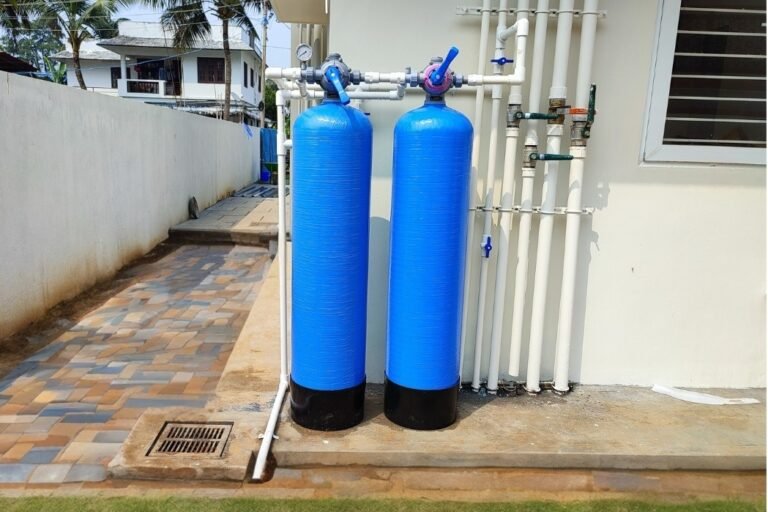
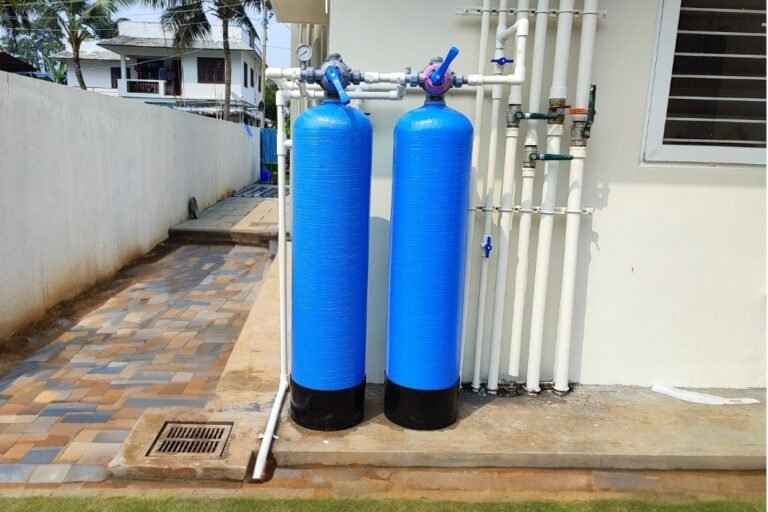
While softening deals mainly with hardness, filtration focuses on removing unwanted particles, tastes, smells, and certain contaminants. That might include sediment, chlorine, rust, or other impurities depending on the system being used.
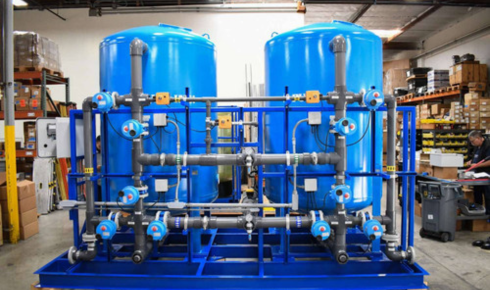
For some households, a simple under-sink filter may be enough. Others may need a whole-house option that treats water before it reaches taps, showers, laundry, and appliances. The right setup depends on what the water test shows and how the household uses water.
Good water filtration systems can improve the overall experience of using water at home. Cooking tastes cleaner, tea and coffee often improve, and there is something reassuring about knowing the water has been treated before it reaches your glass or shower.
Cleaner Drinking Water Makes Daily Life Easier
Drinking water is personal. Some people are sensitive to taste. Others worry about what may be present in their supply. Families with children often want extra confidence, especially when water is used for formula, cooking, or filling bottles for school.
Bottled water feels convenient, but it gets expensive and creates a lot of plastic waste. Over time, a proper home solution is usually more practical. You get better water straight from the tap without carrying heavy bottles from the store or filling the recycling bin every week.
Modern drinking water systems can be fitted neatly under the sink or connected to a dedicated faucet, giving households cleaner, better-tasting water whenever they need it. It is one of those upgrades that feels small at first, then quickly becomes part of normal daily life.
Choosing the Right System for Your Home
There is no single best water treatment system for every property. A family of five in a hard water area will have different needs than a single person living in an apartment with mild chlorine taste. Well water, municipal water, older plumbing, and local conditions all matter.
Before choosing a system, think about the main issue you want to solve. Is it taste? Scale? Odour? Staining? Appliance protection? Drinking water quality? Sometimes one system solves the main concern. Other times, a combination works better.
It is also worth considering maintenance. Filters need changing. Softening systems need care. Some units require salt, cartridge replacements, or occasional checks. A good system should not only work well on day one, but continue performing reliably months and years later.
The Hidden Value of Better Water
Better water does not always feel dramatic. It is often quieter than that. The kettle stays cleaner. Showers feel nicer. Laundry improves. Appliances work with less strain. You stop thinking twice before filling a glass from the tap.
There is a financial side too. Protecting water heaters, washing machines, dishwashers, and plumbing from unnecessary buildup can reduce repairs and help extend their lifespan. Small improvements across the home can become meaningful over time.
And honestly, comfort matters. Homes are built around routines. Morning coffee, evening showers, cooking dinner, washing school uniforms, filling a pet bowl — water touches all of it. When the water is better, the home simply works better.
A Practical Upgrade Worth Considering
Improving home water quality does not have to be complicated, but it should be thoughtful. Start with testing, understand the real issue, and choose a system that matches your household instead of chasing the most expensive option.
Clean, reliable water is one of those things people appreciate most after they experience the difference. It may not be flashy, and it probably will not be the first thing guests notice. But every day, in small ordinary ways, it makes life a little easier.
And sometimes, that is exactly what a good home upgrade should do.