Water is one of those things we rarely think about until something goes wrong. Perhaps your morning shower leaves your skin feeling dry, your drinking water has an unusual taste, or white marks keep appearing around the kitchen tap. These small annoyances can be signs that your home’s water quality deserves a closer look.
The good news is that improving household water doesn’t always require a complicated renovation or an expensive setup. With the right approach, homeowners can address common water quality concerns, protect plumbing fixtures, and make everyday tasks a little easier. The key is understanding what’s actually in your water before deciding which treatment method makes sense.
Understanding Your Home’s Water Quality
Water quality varies considerably from one location to another. Some households receive relatively soft water, while others deal with high mineral content, chlorine odors, sediment, or naturally occurring contaminants. Even homes in the same neighborhood can experience differences depending on their plumbing systems and water sources.
Municipal water suppliers generally treat water to meet applicable safety standards, but that doesn’t mean every household will enjoy the same taste or experience the same plumbing issues. Private well owners face different responsibilities because they usually need to arrange their own water testing.
A simple water test is a sensible starting point. It can reveal hardness levels, pH, and certain contaminants that may require attention. Depending on the water source and local conditions, additional laboratory testing might be appropriate for substances such as arsenic, lead, nitrates, or bacteria.
Guesswork often leads people to purchase equipment they don’t really need. Testing helps narrow the choices and makes it easier to invest in a system that addresses a genuine problem.
Why the Right Treatment System Makes a Difference
Water treatment isn’t a one-size-fits-all solution. A household dealing with hard water needs a different approach from one concerned about drinking water taste or a specific chemical contaminant.
Well-chosen water treatment solutions can improve water quality, reduce unwanted odors, limit mineral buildup, and address identified contamination concerns. However, each technology has its own strengths and limitations. A system designed to remove sediment won’t necessarily remove dissolved chemicals, and a filter that improves taste shouldn’t automatically be considered a complete safety solution.
It’s also worth thinking about how water enters and moves through your home. Do you mainly want better drinking water at the kitchen sink, or do you want to address issues affecting showers, laundry, appliances, and plumbing throughout the property? Your answer will influence both the equipment and the installation cost.
Dealing With Hard Water and Mineral Buildup
Hard water is common in many regions and contains elevated levels of dissolved calcium and magnesium. These minerals aren’t generally considered a health concern at typical drinking-water concentrations, but they can create practical problems around the house.
Soap may produce less lather, glassware can develop cloudy spots, and kettles may accumulate a stubborn layer of scale. Over time, mineral deposits can also affect water-using appliances and contribute to maintenance headaches.
This is where water softeners can be useful. Traditional ion-exchange softeners replace calcium and magnesium ions with sodium or, in some systems, potassium ions. The process reduces hardness and can help control scale formation.
Still, a softener isn’t necessary for every household. If your water is only mildly hard and you’re not experiencing significant problems, a simpler solution might be sufficient. Households that use sodium-restricted diets should also consider how a sodium-based softener affects drinking water, especially when the incoming water is already high in sodium.
Some homeowners choose a separate drinking water tap or another suitable treatment method to meet their needs. Before purchasing a softener, compare its capacity, regeneration requirements, salt consumption, and maintenance schedule. These details matter more over the long term than an impressive product description.
When Whole-House Filtration Is Worth Considering
Sometimes, the problem isn’t limited to a single faucet. Sediment may appear throughout the plumbing system, chlorine odors may be noticeable in showers, or particular contaminants may require treatment before water reaches different rooms.
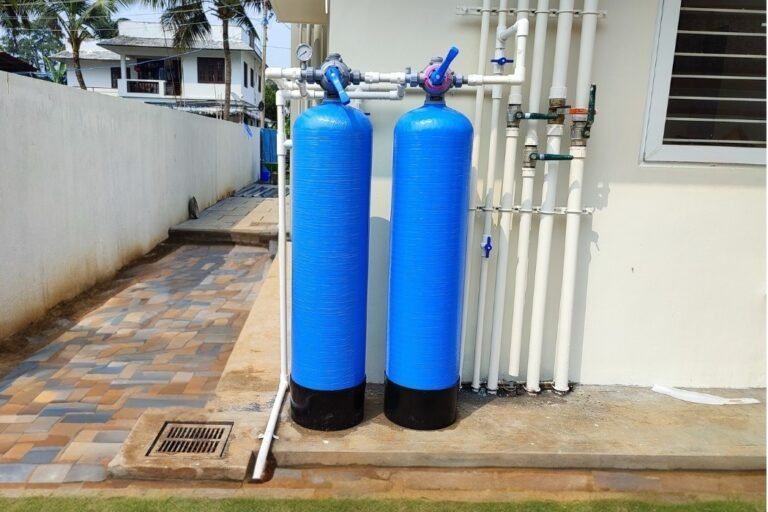
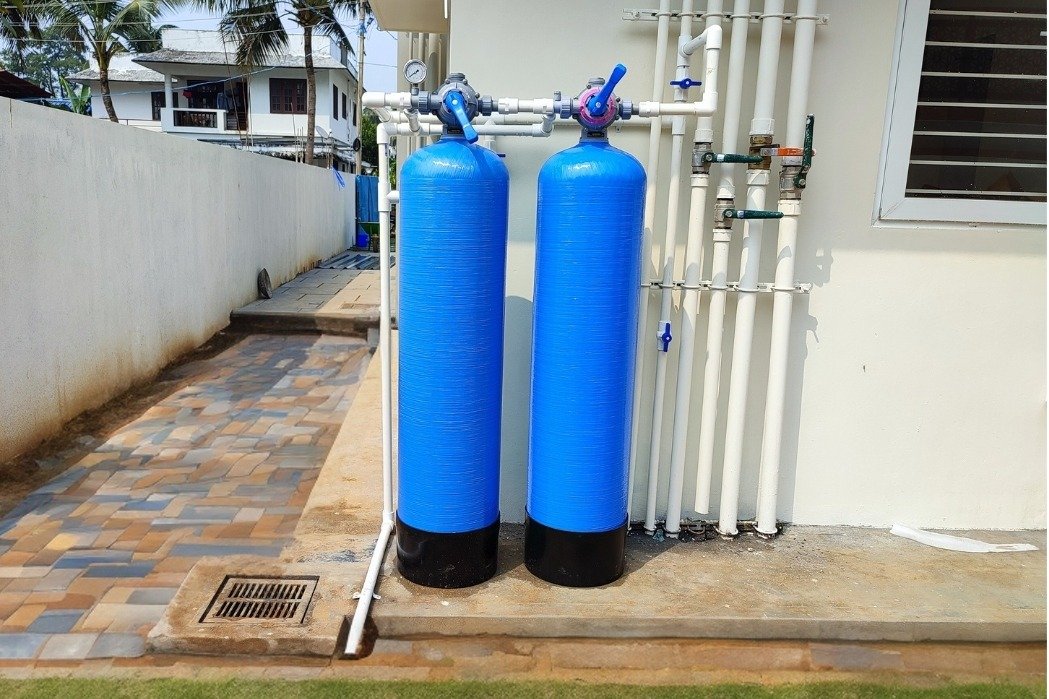
In these situations, whole house water filters can provide a practical option. Installed where the main water supply enters the home, these systems treat incoming water before it reaches showers, sinks, washing machines, and other fixtures.
The type of filter makes all the difference. Sediment filters capture particles such as sand and rust, while activated carbon can reduce chlorine and certain compounds that affect taste and odor. Other specialized media may target particular contaminants when the equipment is specifically designed and certified for that purpose.
It’s important not to assume that every whole-house filter removes everything undesirable. Some dissolved contaminants require different technologies, and certain treatment methods may be better suited to a single drinking water outlet.
Look for independent certification appropriate to the contaminant you’re trying to reduce. Also, check the system’s rated flow capacity. An undersized filter can restrict water pressure when several showers, taps, or appliances operate simultaneously.
Don’t Overlook Drinking Water at the Kitchen Sink
For many families, drinking water is the first concern. An under-sink filtration system can be a convenient choice when the main goal is improving water at one outlet rather than treating every tap.
Activated carbon filters often help with chlorine taste and odor. Reverse osmosis systems can reduce a broader range of dissolved substances, depending on their design and certification. However, reverse osmosis produces wastewater and typically requires periodic filter and membrane replacement.
No system should be selected solely because its packaging promises exceptionally pure water. Check which contaminants it has been tested to reduce, whether it suits your incoming water, and how much ongoing maintenance it requires.
Remember, clear water isn’t necessarily safe water, and unpleasant-tasting water isn’t automatically contaminated. Testing and reliable product information provide a much stronger foundation for making decisions.
Installation, Maintenance, and Long-Term Costs
Buying the equipment is only part of the process. Installation quality, replacement filters, electricity, salt, water usage, and routine servicing all influence the actual cost of ownership.
Before choosing a system, ask about installation requirements and whether existing plumbing needs modification. Some filters can be installed by a capable homeowner, while systems involving the main water line, drainage connections, or complex treatment equipment may benefit from a qualified professional.
Maintenance deserves equal attention. Filters become less effective when replacement is overdue, and poorly maintained equipment can create additional water quality concerns. Follow the manufacturer’s schedule, keep records of filter changes, and retest water when appropriate to confirm that the system continues to perform as intended.
It also helps to compare warranties and the local availability of replacement parts. A reasonably priced system with readily available filters may prove more convenient than a cheaper unit that becomes difficult to maintain.
Making a Smarter Choice for Your Household
The best water treatment setup begins with your actual needs, not the number of features advertised on a product page. Start by identifying the problem, testing the water, and deciding whether you need treatment at one tap or throughout the house.
If hardness is the main concern, investigate a properly sized softener. If sediment or chlorine affects your daily experience, look into filtration designed for those issues. If testing reveals a specific contaminant, choose equipment independently certified to reduce it and consider professional guidance where necessary.
There’s no need to buy everything at once. In many homes, one carefully selected system delivers more value than several overlapping products.
Water is part of nearly every daily routine, from making tea in the morning to washing clothes at night. Improving its quality can make those routines more comfortable while helping you manage plumbing maintenance with greater confidence. Take the time to understand your water, weigh the ongoing costs, and choose a solution that fits your household. A thoughtful decision today can save money, frustration, and unnecessary maintenance down the road.