You don’t usually think about your water — until it starts leaving clues.
White spots on dishes. Soap that refuses to lather. Towels that feel stiff no matter how much fabric softener you use. Maybe your shower door looks cloudy even after you scrub it.
These small annoyances often point to one thing: hard water.
Hard water contains high levels of calcium and magnesium. It’s not dangerous to drink, but over time, it can quietly wear down plumbing, reduce appliance efficiency, and make everyday cleaning feel like a losing battle.
So the natural question becomes: what do you do about it?
Understanding What Hard Water Actually Does
Before jumping into solutions, it helps to understand the impact.
Hard water leaves mineral buildup — often called limescale — inside pipes and water heaters. That buildup restricts flow and forces appliances to work harder. Heating elements become coated. Dishwashers lose efficiency. Even your skin can feel dry after showers because soap doesn’t rinse away cleanly.
If you’ve ever noticed your water heater making popping or rumbling sounds, that might be mineral deposits heating and shifting inside the tank.
The effects are subtle at first. But they compound over time.
That’s why many homeowners eventually consider installing a water softener.
How a Water Softener Works (Without the Technical Overload)
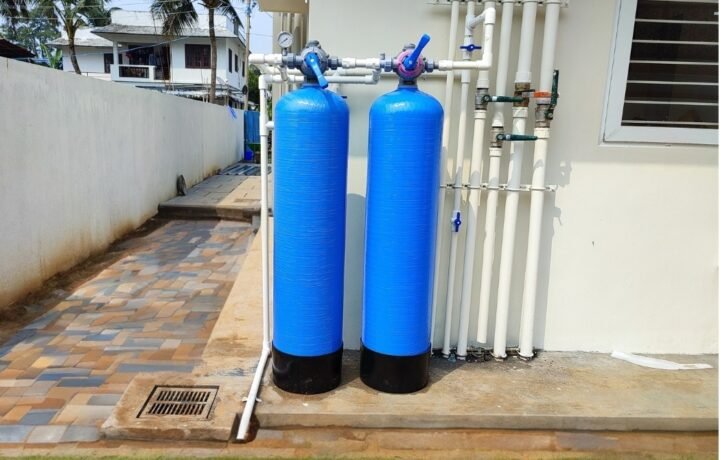
At its core, a water softener removes calcium and magnesium from your water through a process called ion exchange. Hard minerals are replaced with sodium or potassium ions, resulting in softer water flowing through your home.
The difference is often noticeable within days.
Soap lathers better. Dishes look clearer. Hair feels smoother after washing. Appliances run more efficiently because they’re no longer fighting scale buildup.
And over the long term, softened water can extend the lifespan of plumbing and major appliances.
But installation isn’t the only option.
Buying vs. Renting: What Makes Sense?
Purchasing a system outright gives you long-term control. You own the equipment. There are no monthly rental fees. Over time, this can be cost-effective, especially if you plan to stay in your home for years.
However, upfront installation costs can feel steep.
That’s where rental programs come in.
Some homeowners prefer to rent a water softener instead of buying one. Renting usually involves a smaller initial investment and includes maintenance services. If something breaks, repairs are often covered. Filters and salt delivery may be part of the package.
For short-term residents or those who want predictable monthly costs, renting can be appealing.
But like any service, the details matter. Understand the contract terms. Ask about service frequency. Clarify cancellation policies.
Convenience is valuable — but so is transparency.
Finding the Right Fit Locally
If you’ve typed rent water softener near me into a search bar, you’re not alone. Local providers vary widely in pricing, service models, and equipment quality.
When evaluating companies, look beyond the monthly rate.
Ask about:
- System capacity and size
- Maintenance schedule
- Emergency repair response time
- Water testing services
- Contract length
A reputable company should offer a water hardness test before recommending a system. Not all homes need the same capacity. A family of five will require a different setup than a single occupant.
Choosing based on fit — not just cost — ensures long-term satisfaction.
Maintenance Isn’t Optional
Whether you buy or rent, maintenance plays a key role.
Water softeners require salt replenishment and occasional inspection. Resin beads inside the tank eventually need replacement. Neglecting maintenance reduces efficiency and shortens system lifespan.
If you’re someone who prefers hands-off convenience, rental programs that include service visits might make sense.
If you’re comfortable managing salt refills and occasional maintenance checks, ownership could be simpler.
The important thing is consistency.
Is Softened Water Safe?
This question comes up frequently.
Softened water contains slightly more sodium due to the ion exchange process. For most households, this increase is minimal and not a health concern. However, individuals on strict sodium-restricted diets may prefer a separate drinking water filtration system for added peace of mind.
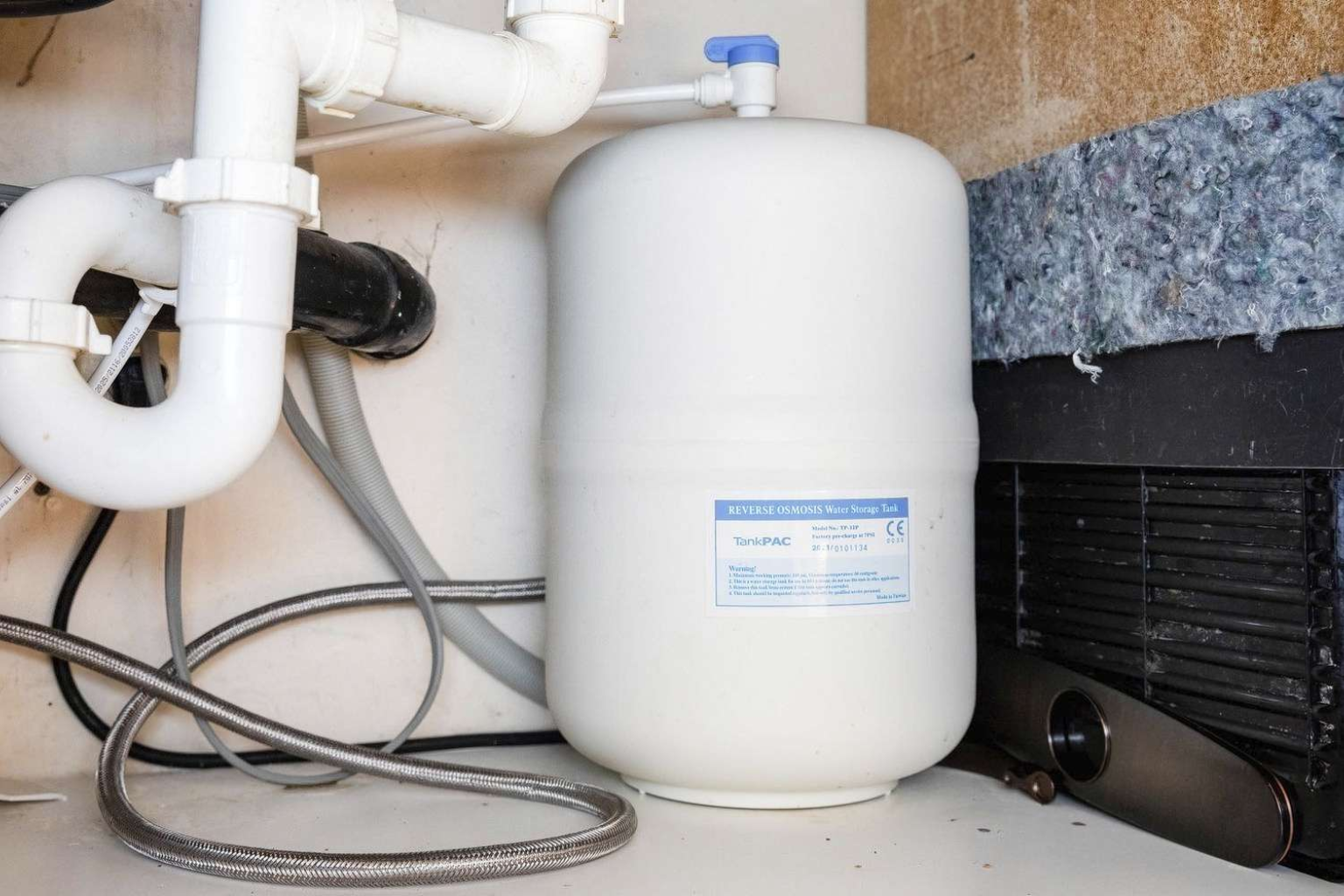
Many homes pair softeners with reverse osmosis systems for drinking water.
Balance is key.
The Long-Term Perspective
Hard water damage doesn’t happen overnight. It builds quietly.
Mineral deposits accumulate inside pipes. Heating elements become less efficient. Appliances wear out sooner than expected. Plumbing repairs become more frequent.
Addressing hardness proactively prevents long-term costs.
But whether you purchase or rent depends on your lifestyle, budget, and long-term plans.
If you expect to move soon, renting offers flexibility. If you’re settled long-term, ownership often delivers stronger value over time.
A Final Thought
Water affects nearly every moment in your home — from morning showers to evening dishwashing.
When it works well, you barely notice it. When it doesn’t, the signs show up everywhere.
Installing or renting a softener isn’t about luxury. It’s about comfort, efficiency, and protecting your home’s infrastructure.
Take time to test your water. Compare options. Ask questions. Think long-term.
Because sometimes the most meaningful home improvements aren’t the ones you see.
They’re the ones you feel — every single day.