It usually starts small. A faint taste in your morning tea. White spots on freshly washed glasses. Maybe your skin feels a bit dry after a shower, and you can’t quite explain why.
Most of us don’t think much about water beyond turning on the tap. It’s just… there. Reliable, familiar. But every so often, something nudges you to pay attention. And once you do, it’s hard to ignore.
Because the truth is, not all water is the same—even if it looks perfectly clear.
When “Clean” Isn’t Quite Enough
Municipal water systems do a decent job. They treat water to make it safe, remove obvious contaminants, and ensure it meets certain standards.
But “safe” doesn’t always mean ideal.
There can still be minerals, chlorine, sediment—things that aren’t harmful in small amounts but can affect taste, smell, and even how your appliances perform over time.
That’s usually when people start looking into solutions. Not out of panic, but curiosity. A desire to improve something that’s been quietly overlooked.
And often, that search leads them to a water purification company—someone who can actually explain what’s in their water and what, if anything, needs to change.
The Subtle Signs of Hard Water
Hard water is one of those things you don’t notice right away.
It doesn’t make a big entrance. It builds slowly.
Soap doesn’t lather as well. Your kettle develops a chalky layer. Laundry feels a bit stiff, even after washing.
Over time, these small annoyances add up.
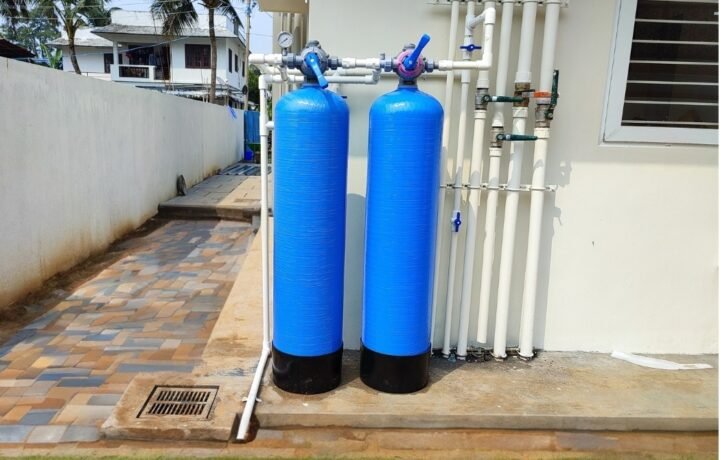
That’s where water softeners come in—not as a luxury, but as a practical solution to a very common issue.
They work by removing excess minerals like calcium and magnesium, which are responsible for hardness. The result? Water that feels smoother, cleans better, and is generally easier on your home.
It’s one of those upgrades you don’t think about much once it’s installed—but you definitely notice when it’s not there.
Drinking Water: A Different Standard
There’s another layer to all of this, though.
Water you use for cleaning or bathing is one thing. But water you drink—that’s different.
You want it to taste good, of course. But more importantly, you want it to be as pure as possible.
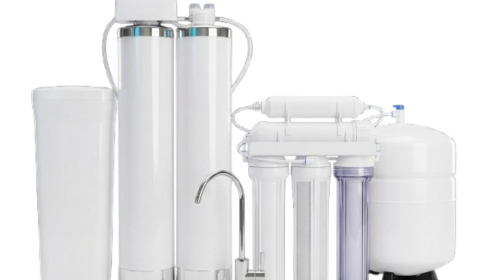
That’s where reverse osmosis systems often come into the picture.
These systems go beyond basic filtration. They remove a wide range of impurities—dissolved solids, contaminants, even things you didn’t know were there.
The process is quiet, almost invisible. Water passes through a membrane, leaving unwanted particles behind.
What you get is clean, crisp water that tastes noticeably different.
And once you get used to it, it’s hard to go back.
It’s Not About Fear—It’s About Awareness
There’s a tendency to approach water quality with a sense of urgency or fear. But for most households, it’s not about something being “wrong.”
It’s about awareness.
Understanding what’s in your water. Knowing how it affects your daily life. Deciding whether you’re comfortable with it—or if you’d prefer to improve it.
That shift—from assumption to awareness—is where most changes begin.
Choosing What Actually Makes Sense
One of the challenges with water solutions is that there’s no one-size-fits-all answer.
What works in one area might not be necessary in another. A household with hard water issues might benefit from a softener, while another might prioritize drinking water quality.
The key is understanding your specific situation.
That might mean testing your water. Talking to professionals. Or simply paying attention to the signs your home is already giving you.
Because once you know what you’re dealing with, the decisions become much clearer.
The Small Changes That Add Up
What’s interesting about improving water quality is that the benefits aren’t always dramatic.
They’re subtle.
Better-tasting coffee. Softer laundry. Appliances that last a bit longer. Skin that feels less dry.
Individually, these things might seem minor.
But over time, they add up to something noticeable—a difference in how your home feels and functions.
And that’s often what people are really looking for.
The Quiet Role Water Plays in Daily Life
Water is one of those things that sits in the background of everything we do.
Cooking, cleaning, bathing—it’s always there, supporting daily routines without drawing attention to itself.
Until something changes.
Then suddenly, you notice it everywhere.
And once you’ve made improvements, that awareness doesn’t go away. It just shifts—from noticing problems to appreciating the difference.
A Thought to Sit With
If you’ve ever questioned the quality of your water, even briefly, it’s probably not a random thought.
It’s a small signal. A nudge to pay attention.
You don’t need to rush into solutions. You don’t need to overhaul everything overnight.
But understanding your water—what’s in it, how it affects your home—is a good place to start.
Because in the end, improving water quality isn’t about chasing perfection.
It’s about making small, thoughtful changes that make everyday life just a little bit better.
And sometimes, that’s more than enough.