Good drinking water makes everyday life a little easier. Whether you’re filling a glass after a long day, making coffee before work, or preparing meals for the family, you want water that tastes fresh and is convenient to access. Yet not every household has the same needs. Some people prefer the simplicity of delivered drinking water, while others want a filtration system that treats water right at home.
The right choice depends on your water source, household habits, available space, and budget. There’s no single solution that suits everyone, and that’s perfectly fine. Understanding the options can help you spend wisely, avoid unnecessary equipment, and find a setup that works for the long term.
Start With Your Household’s Drinking Water Needs
Before comparing products or services, consider how much drinking water your household uses each day. A couple living in a small apartment may have very different requirements from a busy family with children or a home where people regularly entertain guests.
Think about the little details, too. Do you frequently run out of drinking water? Is tap water unpleasant because of its taste or odor? Are you concerned about minerals or specific contaminants? Do you have enough room for a filtration unit, storage tank, or delivery containers?
These questions help narrow down your choices. If convenience is your main concern, a delivery service may be appealing. If you prefer having treated water available whenever you need it, an installed filtration system might make more sense.
It’s also important to understand the quality of your existing water supply. Municipal water and private well water can present different treatment needs. Testing, where appropriate, provides a clearer starting point than relying on appearance or taste alone.
The Convenience of Delivered Drinking Water
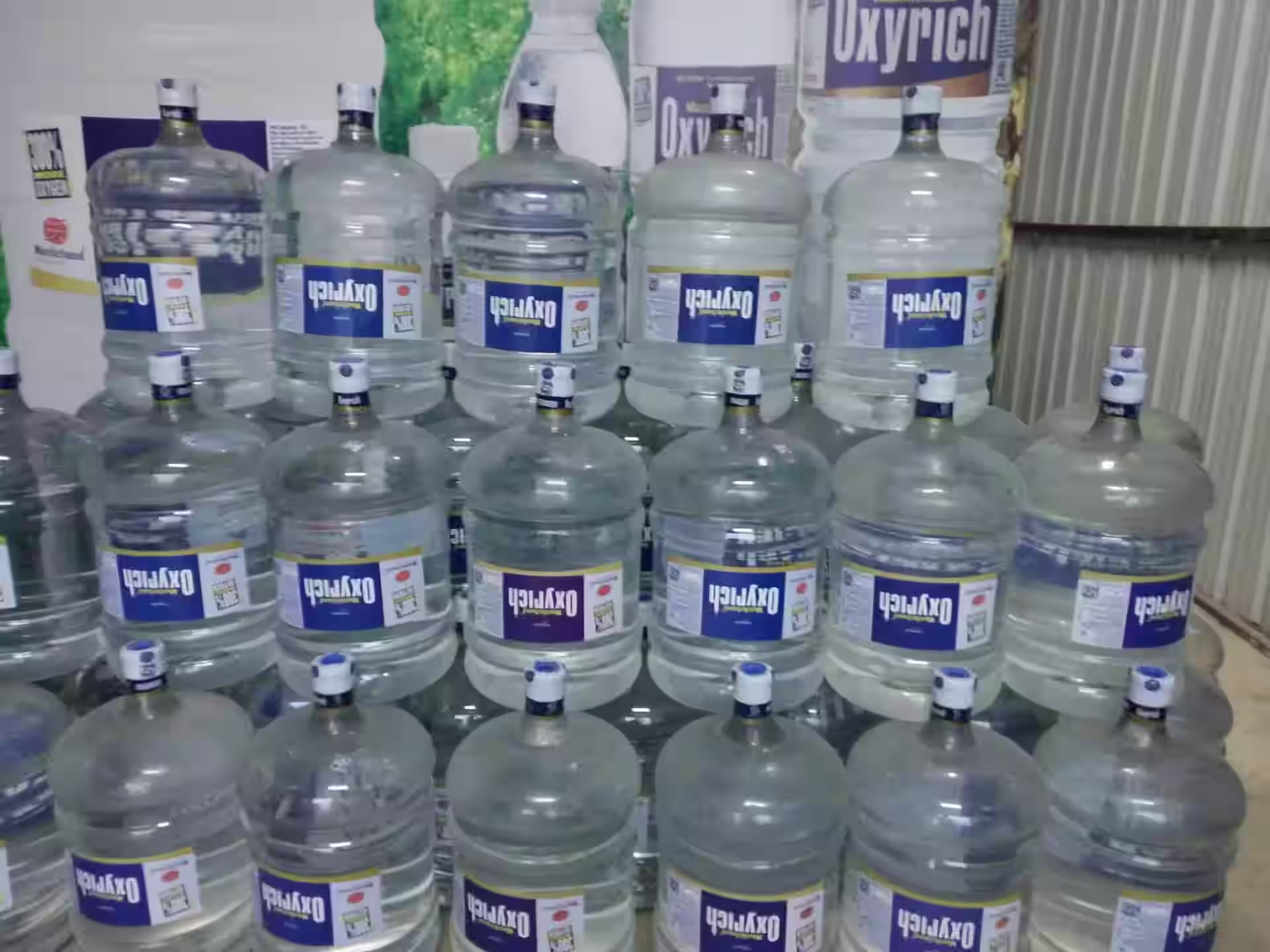
For households that don’t want to install and maintain a filtration system, bottled water delivery can be a practical option. Depending on the provider, water may arrive in large refillable containers for a dispenser or in smaller bottles for everyday use. Scheduled deliveries can reduce the hassle of carrying heavy containers home from a store.
This arrangement may suit offices, reception areas, small businesses, and families that consume a considerable amount of drinking water. A dispenser can make it easy to fill glasses throughout the day, and some models provide both chilled and hot water.
Before choosing a provider, check the source of the water, the company’s treatment and quality-control practices, delivery frequency, and container-handling procedures. Ask whether containers are reusable and how they’re cleaned and sanitized between uses. These practical details matter just as much as convenience.
Cost is another consideration. Compare the price per litre, delivery charges, dispenser rental fees, and any deposit required for reusable containers. A service that seems affordable at first may cost more if deliveries are frequent or additional fees apply.
There’s also the environmental side to consider. Reusable containers and efficient delivery routes may reduce waste compared with frequent purchases of small single-use bottles, although the overall impact depends on the provider’s practices and transportation arrangements.
Is a Home Water Filtration System a Better Fit?
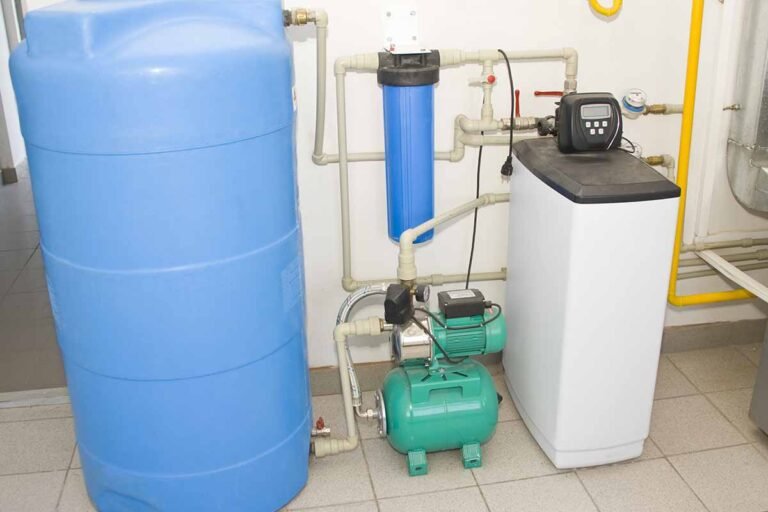
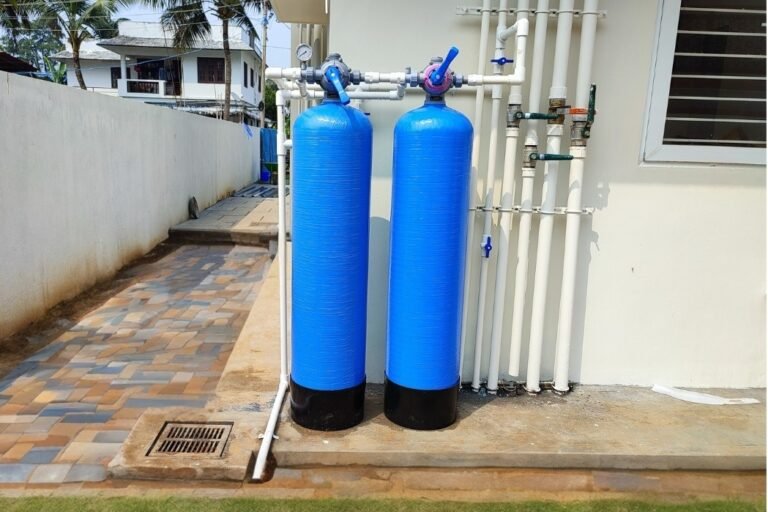
A filtration system can be a useful alternative when you want drinking water available directly from your tap. Depending on the model, it may sit on the countertop, attach to a faucet, fit beneath the kitchen sink, or form part of a larger household treatment setup.
Activated carbon filters are commonly used to improve taste and odor by reducing chlorine and certain organic compounds. Reverse osmosis systems use a semipermeable membrane to reduce many dissolved substances, provided the system is designed for those contaminants and maintained properly. Other filters target particular issues, such as sediment or specific chemicals.
The important thing is to choose equipment according to your actual water conditions. A filter designed to improve taste shouldn’t automatically be considered a solution for microorganisms, nitrates, arsenic, or every other possible contaminant. Check independent certifications and the manufacturer’s specific reduction claims before making a purchase.
Installation and maintenance should also be part of the decision. Some filters are simple to replace, while others require professional servicing. Replacement cartridges, membrane changes, water pressure, and available cupboard space can all influence the long-term experience.
For many households, the best system is not necessarily the most advanced one. It’s the one that addresses a genuine concern without adding unnecessary complexity.
Understanding Rent-to-Own Equipment Options
The initial price of a water treatment system can make some homeowners hesitate, particularly when a more advanced unit requires professional installation. Depending on the provider and location, financing or equipment rental arrangements may offer an alternative to paying the full purchase price upfront.
Some companies advertise a rent with option to purchase arrangement, which allows customers to rent equipment while retaining the option to buy it later under agreed terms. This type of arrangement can make a system more accessible, but the details deserve careful attention.
Read the agreement before signing. Check the monthly payment, rental period, total amount payable if you eventually purchase the unit, and whether any rental payments count toward the purchase price. You should also understand who owns the equipment during the rental period, who is responsible for repairs, and what happens if you move or decide to cancel.
Ask whether servicing, replacement filters, and installation are included. A low monthly payment may not represent good value if essential maintenance comes at an additional cost.
Compare the total expense of renting and purchasing outright over the same period. That simple calculation can reveal whether the arrangement genuinely fits your budget or merely spreads a higher cost over time.
Why Testing and Professional Advice Matter
Water treatment should begin with a clear understanding of the problem. A strong chlorine smell, mineral deposits, and a possible contaminant issue aren’t interchangeable concerns, so they shouldn’t automatically receive the same treatment.
A qualified provider can help interpret test results and explain which technologies may be appropriate. If you’re using private well water, testing is especially important because its quality can change with environmental conditions, nearby activities, or problems with the well itself.
Reliable water treatment solutions are selected according to the water’s characteristics, the household’s needs, and the performance of the equipment. Ask providers to explain what a recommended system can reduce, what it cannot address, and how its effectiveness will be maintained.
Be cautious of broad promises that one device removes every contaminant. No single treatment method works equally well for all water conditions, and some concerns require specialized testing or treatment.
Good advice should leave you feeling informed rather than pressured into buying the most expensive package.
Keep Long-Term Costs in Perspective
The purchase price is only one part of the overall cost of drinking water. Delivered water may involve recurring orders, delivery fees, and dispenser expenses. Filtration systems may require cartridges, membrane replacements, electricity, servicing, or occasional repairs.
Consider convenience alongside cost. A delivery service can save installation work, but you’ll need somewhere to store containers and someone to manage deliveries. An installed system may reduce the need to carry bottles, although you remain responsible for maintenance.
Water usage also matters. A household that drinks large quantities of water may find a different cost balance from one with modest daily consumption. Comparing the estimated annual expense of each option can help make the decision more realistic.
Whichever approach you choose, keep maintenance records and follow the provider’s instructions. Water that looks clear and tastes normal isn’t necessarily proof that a filter is still performing as intended.
Choose What Works for Your Everyday Life
Better drinking water doesn’t have to mean buying the newest system or committing to a complicated service plan. Sometimes, a reliable delivery arrangement is the simplest answer. In other homes, an appropriately selected filtration unit offers greater convenience and better value over time.
Start with your water quality, think about how your household uses drinking water, and compare the full costs rather than focusing only on the initial price. Ask questions about testing, maintenance, product performance, and service agreements before making a commitment.
The best choice is the one that gives you dependable access to water suited to your needs, fits comfortably within your budget, and remains practical to manage as your household’s needs change.