
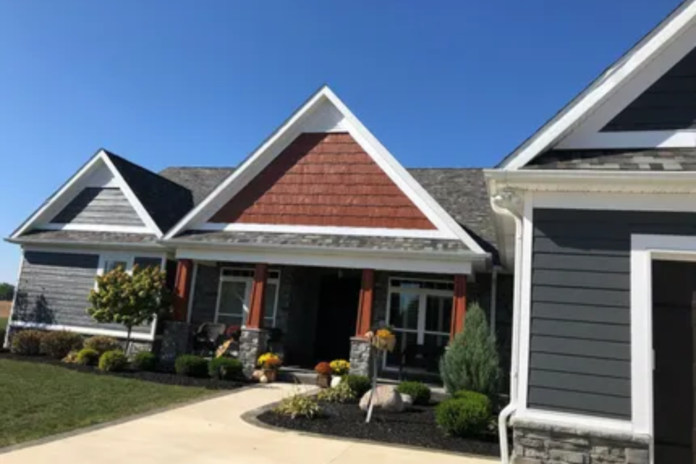

There’s a moment—quiet, almost unnoticeable—when a home begins to feel a little… off. Maybe it’s the fading paint, or the way the roofline doesn’t quite sit right anymore. Or perhaps it’s subtler than that. The windows don’t let in as much light as they used to. The siding feels worn, like it’s telling stories you didn’t sign up for.
That’s usually when the idea of remodeling starts to creep in. Not as a grand project, but as a quiet nudge. Something needs attention.
And honestly, that’s where the real journey begins.
Understanding What Your Home Is Really Asking For
Most people jump straight into aesthetics—colors, textures, finishes. That’s natural. But a home isn’t just visual. It’s functional, protective, and deeply personal.
A roof isn’t just about shingles. It’s about shelter. Siding isn’t just decorative—it’s your first defense against the elements. Windows? They’re more than glass; they shape how your space feels, breathes, and even how you experience your mornings.
When you pause and look at your home this way, remodeling stops being a checklist. It becomes a conversation.
Why Experience Matters More Than You Think
You can tell when someone knows what they’re doing. It’s not always in what they say—it’s in what they notice.
The best exterior remodeling experts don’t just point out damage. They read between the lines. They see how water might be pooling where it shouldn’t, or how a slight warp in siding could become a bigger issue next season. They ask questions that make you rethink your priorities, in a good way.
And here’s the thing—experience doesn’t just prevent mistakes. It shapes better outcomes. A seasoned professional knows when to repair, when to replace, and when to leave well enough alone.
That kind of judgment? You can’t fake it.
The Quiet Importance of Roofing
Let’s talk about roofing for a moment, because it’s often overlooked until it’s urgent.
A good roof doesn’t draw attention to itself. It just works. Through heatwaves, storms, those long nights of steady rain—it holds steady. But once it starts to fail, even slightly, everything underneath it feels the impact.
Sometimes the signs are obvious: missing shingles, leaks, visible wear. Other times, it’s more subtle. A slight increase in indoor humidity. A faint stain that wasn’t there before.
The challenge is knowing when small issues are still small—and when they’re quietly growing into something more expensive.
Replacing or repairing a roof isn’t glamorous. But it’s foundational. And if done right, it buys you years of peace of mind.
Siding: More Than Just a Pretty Surface
It’s easy to think of siding as purely cosmetic. After all, it’s what people see first.
But good siding does a lot more than boost curb appeal. It insulates. It protects. It keeps moisture where it belongs—outside.
Over time, though, even the best materials start to show their age. Warping, cracking, fading. Sometimes it happens gradually, so you don’t notice until it’s… everywhere.
And here’s where things get interesting: updating your siding can completely change how your home feels, not just how it looks. It can make an older house feel sharper, more intentional—almost like it’s standing up straighter.
It’s one of those upgrades that quietly transforms everything.
Windows and the Way Light Changes Everything
There’s something deeply personal about windows. They frame your view of the world, quite literally.
Old windows tend to hold things back. They leak air, distort light, and sometimes make a room feel smaller than it really is. You might not notice it day to day, but once you replace them, the difference is immediate.
Rooms feel brighter. Quieter. More comfortable.
And it’s not just about energy efficiency—though that’s certainly a benefit. It’s about how a space feels at 7 a.m. when sunlight filters in just right. Or how it holds warmth on a winter evening.
It’s subtle. But it matters.
Balancing Budget, Vision, and Reality
Here’s the part people don’t always talk about: remodeling is a balancing act.
You have a vision—maybe inspired by something you saw online, or a home you visited once and never quite forgot. Then there’s the budget, which has its own opinions. And somewhere in between sits reality.
The key isn’t to chase perfection. It’s to make thoughtful choices.
Sometimes that means prioritizing what truly needs attention now, and saving other ideas for later. Other times, it means investing a bit more upfront to avoid repeating the same project in a few years.
A good remodeling process respects all three—vision, budget, and practicality—without letting any one of them dominate completely.
When It All Comes Together
There’s a quiet satisfaction in seeing a home come back to life.
Not in a flashy, over-the-top way. But in the small details. The way the lines of the roof feel crisp again. How the siding catches light differently in the afternoon. The clarity of new windows on a clear morning.
It doesn’t just look better—it feels right.
And maybe that’s the real goal of remodeling. Not perfection. Not even transformation, necessarily. Just a sense that your home is, once again, working with you instead of against you.
A Final Thought, Before You Start
If you’re standing at the edge of a remodeling decision, unsure where to begin—that’s okay. Most people are.
Start small. Pay attention. Notice what your home is trying to tell you.
And when you’re ready, bring in people who listen as much as they build.
Because in the end, a well-remodeled home doesn’t just protect you from the outside world. It supports the life happening inside it—quietly, reliably, and without asking for attention.
And honestly, that’s kind of the point.