

The Moment You Start Noticing Your Water
Most of us don’t think much about water — until something feels off. Maybe the tap water smells slightly metallic. Maybe soap refuses to lather properly. Or you notice white stains building up on faucets and shower doors that just won’t go away, no matter how hard you scrub.
That’s usually the moment people start realizing something important: not all water is created equal.
The truth is, the quality of water flowing through our homes varies widely depending on location, plumbing systems, and natural mineral content. And while most municipal supplies are technically safe to drink, they aren’t always ideal for everyday use.
This is where understanding water quality — and knowing what options exist to improve it — becomes surprisingly valuable.
What’s Really in Your Tap Water?
Tap water often contains minerals like calcium and magnesium, which are naturally present in groundwater. These minerals aren’t harmful, but they can create what’s known as “hard water.”
Hard water can affect daily life in subtle ways. It leaves spots on dishes, causes soap to work less effectively, and can even shorten the lifespan of household appliances by creating mineral buildup.
In some areas, water may also contain chlorine, sediments, or trace contaminants from aging infrastructure.
That’s why many homeowners begin exploring water treatment solutions designed to improve water quality at the source.
These systems help remove impurities, balance mineral levels, and provide water that feels cleaner and performs better across everyday tasks.
Why Hard Water Can Be More Than an Annoyance
At first, hard water might seem like a minor inconvenience — something you can live with. But over time, its effects become more noticeable.
Mineral deposits can accumulate inside pipes, reducing water flow and increasing maintenance needs. Appliances like water heaters, dishwashers, and washing machines may work harder and wear out faster due to scale buildup.
Even personal care can be affected. Hard water often leaves skin feeling dry and hair looking dull because soap doesn’t rinse away completely.
It’s one of those quiet problems that slowly adds up — until homeowners decide it’s time to make a change.
How Softening Systems Transform Daily Life
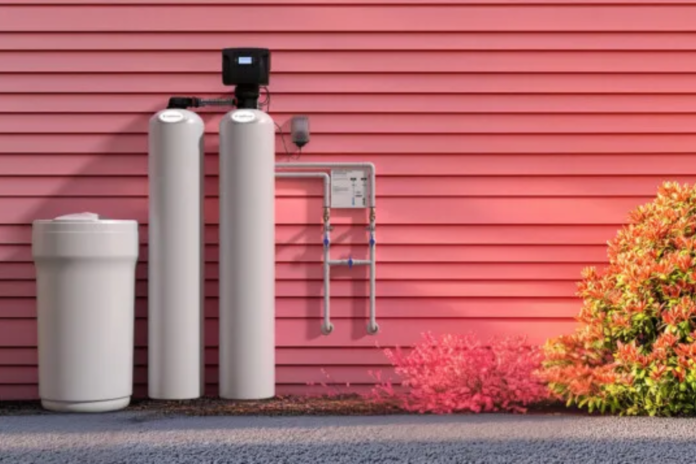
One of the most effective ways to address hard water issues is by installing water softeners.
These systems work by removing excess calcium and magnesium through a process known as ion exchange. In simple terms, they replace hard minerals with softer ones that don’t create buildup.
The difference can be surprisingly noticeable. Soap lathers more easily, laundry feels softer, and surfaces remain cleaner with less effort.
Many homeowners also report improvements in skin comfort and reduced appliance maintenance needs.
Water softeners aren’t just about convenience — they can significantly enhance overall household efficiency and comfort.
Looking Beyond Single-Point Solutions
While softeners address mineral content, some homeowners prefer a more comprehensive approach to water quality.
This is where whole home water systems come into play.
Unlike single-point filters that treat water at one tap, whole-home systems filter water at the main entry point, ensuring that every faucet, shower, and appliance receives treated water.
These systems often combine multiple technologies — sediment filtration, carbon filtering, and sometimes UV purification — to address a wide range of water concerns.
For families seeking consistent water quality throughout their home, this approach offers both convenience and peace of mind.
The Hidden Benefits of Cleaner Water
Improving water quality does more than eliminate visible problems. It also supports long-term benefits that homeowners may not immediately recognize.
Treated water can help extend the lifespan of plumbing systems and appliances. Reduced mineral buildup means fewer repairs and lower maintenance costs over time.
Energy efficiency also improves when appliances operate without scale deposits restricting performance.
And perhaps most importantly, consistent water quality provides reassurance — knowing that the water used daily for cooking, bathing, and cleaning meets high standards.
Choosing the Right System for Your Needs
Selecting a water treatment system isn’t a one-size-fits-all decision. It depends on factors such as local water composition, household size, and specific concerns.
Testing water quality is often the first step. This helps identify whether issues involve hardness, sediments, chlorine, or other contaminants.
From there, homeowners can evaluate options based on effectiveness, maintenance requirements, and long-term value.
Professional guidance can also be helpful in determining the most appropriate solution for individual circumstances.
The Role of Maintenance in Long-Term Performance
Like any household system, water treatment equipment requires regular maintenance to remain effective.
Filters need periodic replacement, softening systems require salt refills, and overall performance should be monitored to ensure consistent results.
Proper maintenance helps preserve system efficiency and ensures that water quality improvements remain reliable over time.
It’s a small investment of effort that delivers lasting benefits.
Looking Toward the Future of Water Treatment
Advancements in water technology continue to make treatment systems more efficient and user-friendly.
Modern systems often include smart monitoring features that track usage, alert homeowners when maintenance is needed, and optimize performance automatically.
There’s also growing interest in environmentally sustainable solutions that minimize water waste and energy consumption.
These innovations reflect a broader commitment to improving water quality while supporting responsible resource management.
A Simple Change That Makes Everyday Life Better
Water is one of the most fundamental elements of daily life, yet its quality is something many people take for granted — until problems appear.
Investing in water treatment systems can transform how water feels, functions, and supports household routines.
From reducing maintenance hassles to improving personal comfort, the benefits extend far beyond convenience.