

There’s a quiet moment most of us have experienced: you fill a glass at the kitchen sink, take a sip, and pause. Maybe it tastes slightly metallic. Maybe there’s a faint chlorine smell. Or maybe it’s fine — just not great.
Water is so woven into our daily lives that we rarely stop to question it. It flows through showers, washing machines, dishwashers, and coffee makers. It touches nearly everything we eat, wear, and clean. So when something about it feels off, even slightly, it affects more than we realize.
Improving your home’s water isn’t about chasing perfection. It’s about making everyday routines smoother, cleaner, and a little more comfortable.
The Subtle Signs Your Water Could Be Better
Most water problems don’t announce themselves loudly. They show up as little inconveniences.
White buildup around faucets. Spots on freshly washed glasses. Towels that feel stiff no matter how much detergent you use. Maybe your skin feels dry after a shower, or your kettle develops crusty deposits faster than it should.
These are often signs of mineral-heavy water — commonly known as hard water. And while hard water isn’t necessarily harmful to drink, it can be tough on plumbing, appliances, and even your hair.
Then there’s taste and odor. Municipal systems add chlorine for safety, which is important, but it can leave a noticeable aftertaste. Well water may carry iron, sulfur, or other naturally occurring elements depending on your location.
These aren’t emergencies. They’re daily annoyances. But over time, those small annoyances add up.
Understanding the Bigger Picture
When homeowners start researching improvements, they quickly discover a range of water treatment solutions. It can feel overwhelming at first — so many systems, so many claims.
But the core idea is simple: treat the water based on what’s actually in it.
That starts with testing. A proper water test reveals hardness levels, mineral content, pH balance, and any contaminants that may need attention. Once you know what you’re dealing with, choosing a solution becomes clearer.
Not every home needs a complex multi-stage system. Sometimes, one targeted upgrade makes a noticeable difference.
When Hard Water Is the Main Issue
If mineral buildup is your biggest frustration, water softeners are often the first recommendation.
These systems work by exchanging calcium and magnesium ions for sodium or potassium ions, effectively reducing hardness. The result? Less scale on fixtures, better soap lathering, softer laundry, and often a noticeable difference in how your skin feels after showering.
It’s not dramatic overnight. But over weeks and months, you’ll likely notice fewer spots on dishes, less scrubbing around faucets, and appliances that seem to run more efficiently.
Water heaters, in particular, benefit from softer water. Without mineral buildup coating heating elements, they can operate more effectively and potentially last longer.
Softening doesn’t address every issue — but when hardness is the culprit, it’s a game changer.
Improving Taste and Clarity
For households bothered by chlorine taste or sediment, water filtration systems often provide the solution.
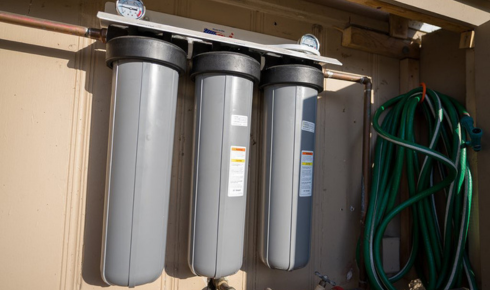
Carbon filters are popular for reducing chlorine and improving flavor. Sediment filters capture particles that cause cloudiness. Reverse osmosis systems go further, removing dissolved solids to produce very clean drinking water.
Many homeowners start with under-sink systems for kitchen use. Others choose whole-house filtration to ensure every tap benefits.
The difference can be subtle but satisfying. Coffee tastes brighter. Ice cubes freeze clear. Showers feel fresher.
And perhaps most importantly, you stop thinking about your water altogether.
Maintenance: The Part People Forget
Installing a system isn’t the final step. Filters need replacing. Softeners require salt refills. Systems benefit from periodic inspections.
It’s not complicated, but it does require consistency.
Think of it like changing the oil in your car. The system may keep running without maintenance for a while, but performance declines gradually. Staying on schedule preserves efficiency and extends equipment lifespan.
Most modern systems make this easier with simple reminders or service plans.
The Environmental Angle
Improving your water quality can also reduce reliance on bottled water. When your tap water tastes good, you’re less likely to buy cases of plastic bottles.
That’s less waste and often less expense over time.
Softened water may also help appliances use less energy by reducing scale buildup. It’s a small shift that contributes to long-term savings.
A Personal Decision
At its heart, upgrading your water system is personal.
It’s about how your home feels. How your dishes look. How your skin reacts after a shower. How confident you are when filling a glass for a guest.
It’s not about luxury. It’s about comfort and reliability.
And when you find the right solution for your specific water profile, the benefits quietly integrate into your daily routine.
Final Thoughts on Better Water
Water is easy to overlook because it’s constant. But that constancy is exactly why it matters.
When your water works with you — not against you — everything feels smoother. Cleaning is easier. Appliances perform better. Drinking from the tap becomes effortless.
Choosing the right system doesn’t require guesswork. It requires awareness. Test your water. Understand your needs. Invest thoughtfully.