
HomePlumbingWhy should you look for staining around the bottom of water heaters...

Why should you look for staining around the bottom of water heaters or geysers?

Published on

Stains, rust marks or damp patches around the base of a water heater or geyser can be early signs that the unit is leaking or starting to corrode. Even small, slow drips can cause damage to floors, cupboards or nearby walls over time.

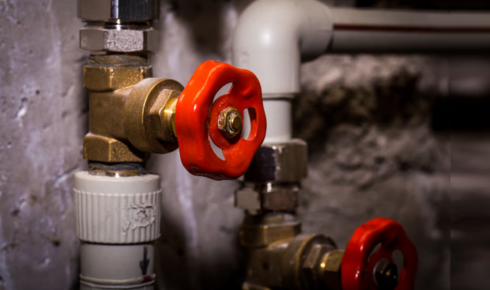
If you notice crusty mineral deposits on joints or valves, or rust-coloured streaks down the side, the system may be reaching the end of its life or need servicing. Ignoring these hints can lead to sudden failure – anything from no hot water to a major leak that floods the area.

Regularly glancing at the base area when you’re nearby – maybe once a month – helps you catch these signs when they’re still manageable.

Water heaters quietly do their job in corners we rarely examine. A quick visual check now and then is cheap insurance.

Latest articles

Plumbing Challenges in Urban Buildings and How Pump Systems Solve Them

The rapid vertical growth of Indian cities has brought about a unique set of...

Why PVC Conduit Works Better with DWV Pipes in Concrete Pits

Material choice isn't something you can afford to guess on, especially when you're planning...

Hard Water at Home? Here’s What You Should Know Before Installing or Renting a Softener

You don’t usually think about your water — until it starts leaving clues. White spots...

When Water Feels Different: A Real-Life Guide to Cleaner, Softer Water at Home

The Moment You Start Noticing Your Water Most of us don’t think much about water...

More like this

Plumbing Challenges in Urban Buildings and How Pump Systems Solve Them

The rapid vertical growth of Indian cities has brought about a unique set of...

Why PVC Conduit Works Better with DWV Pipes in Concrete Pits

Material choice isn't something you can afford to guess on, especially when you're planning...

Hard Water at Home? Here’s What You Should Know Before Installing or Renting a Softener

You don’t usually think about your water — until it starts leaving clues. White spots...