You don’t usually think about water. You turn on the tap, fill a glass, rinse vegetables, maybe splash your face in the morning. It’s so routine, so ordinary, that it barely registers as something worth questioning.
Until one day, it does.
Maybe the taste feels a little off. Or there’s a faint smell you can’t quite place. Sometimes it’s the way soap doesn’t lather properly, or how your skin feels a bit dry after a shower. Nothing alarming—just… different.
And that’s usually where curiosity begins.
When Small Doubts Start to Grow
Most water concerns don’t come from dramatic incidents. They come from those small, nagging inconsistencies that don’t quite make sense.
Hard water stains on your taps. A slight yellow tint in a glass. Appliances that seem to wear out faster than expected. It’s easy to brush these off as normal, but over time, they start to feel like part of a pattern.
These are often early signs of underlying water problems—not necessarily dangerous, but worth understanding. Because water quality isn’t just about what you can see. It’s also about what you can’t.
The Hidden Side of Everyday Water
Water travels a long way before it reaches your home. Along the way, it can pick up minerals, sediments, and sometimes contaminants that affect its quality.
In some areas, hard water is common—rich in calcium and magnesium. In others, you might find traces of chlorine, iron, or even organic matter. Each of these brings its own set of quirks.
You might notice it in taste, or in how your laundry feels, or even in the lifespan of your plumbing. Over time, these small effects add up.
That’s where water treatment systems start to make sense—not as a luxury, but as a way to bring consistency back to something you use every day.
It’s Not Just About Drinking Water
When people think about water quality, they often focus on what they drink. And that’s important, of course. But water touches almost every part of your daily routine.
You cook with it. Clean with it. Bathe in it.
So when the quality isn’t quite right, it affects more than just your glass of water. It influences how your home feels overall.
For example, softer water can make a noticeable difference in how your skin and hair feel. Cleaner water can improve the efficiency of appliances, reducing buildup and wear. It’s subtle, but it’s there.
Finding the Right Balance
Not every home needs the same kind of solution. Some issues are minor and easily managed. Others might require more comprehensive treatment.
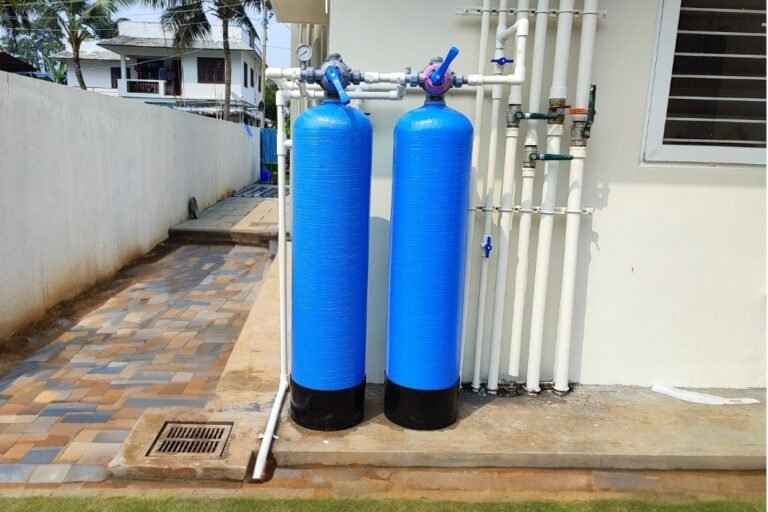
There are systems designed to soften water, others that filter out specific contaminants, and some that do a bit of both. The key is understanding what your water actually contains before deciding what to do about it.
Testing is often the first step. It gives you a clear picture—what’s present, what’s not, and what might need attention.
From there, choices become simpler.
The Idea of a Healthier Space
There’s something quietly reassuring about knowing the water in your home is clean, balanced, and reliable. It’s not something you think about constantly, but it shapes your environment in ways that are easy to overlook.
Investing in better water quality isn’t just about convenience. It’s about creating a healthier home—one where the basics work the way they should, without compromise.
It’s not dramatic. It doesn’t change everything overnight. But it adds a layer of comfort that’s hard to ignore once you experience it.
Cost vs. Everyday Value
Like most home improvements, water treatment comes with a cost. And for many people, that’s the biggest consideration.
But it’s worth looking beyond the initial investment.
Better water can extend the life of your appliances. It can reduce the need for cleaning products. It can even lower maintenance costs over time by preventing buildup in pipes and fixtures.
And then there’s the intangible value—the peace of mind that comes from knowing something as essential as water is being taken care of.
Maintenance: The Part We Often Forget
Even the best systems need a bit of upkeep. Filters need changing. Components need checking. It’s not complicated, but it does require attention.
The good news is, once a system is in place, maintenance tends to be straightforward. A little effort goes a long way in keeping everything running smoothly.
A Final Thought
Water is one of those things we take for granted because it’s always there. It flows when we need it, disappears when we don’t.
But just because it’s constant doesn’t mean it’s perfect.
Taking a moment to understand what’s in your water—and what you can do about it—can quietly improve your daily life in ways you didn’t expect.
Not in a dramatic, life-changing way. Just in small, meaningful ones.
And sometimes, that’s more than enough.