Clean water is one of those everyday comforts most people don’t think about until something feels off. You turn on the tap, fill a glass, start the shower, or run water for the washing machine, and suddenly there’s a strange odor, a rusty stain, or a cloudy look that makes you pause. It’s not dramatic at first. Maybe it’s just a faint smell in the bathroom sink. Maybe your laundry looks a little duller than usual. But water has a way of giving small warnings before bigger problems show up.
For homeowners, business owners, farms, facilities, restaurants, and industrial spaces, water quality is more than a convenience. It affects health, plumbing, appliances, cleaning results, customer experience, and even operating costs. And while bottled water or quick store-bought filters might feel like an easy fix, they usually don’t solve the real issue hiding in the system.
Why Water Problems Shouldn’t Be Ignored
Water can carry minerals, gases, bacteria, sediment, and metals depending on where it comes from and how it travels before reaching your tap. Well water, city water, and private water systems can all develop different challenges. Sometimes the source is natural. Other times, aging pipes, seasonal changes, or poor filtration make the problem worse.
One of the most unpleasant signs is a sulfur smell in water, often described as rotten eggs. It can make drinking water, bathing, and cooking feel uncomfortable, even when the water looks clear. This odor is commonly linked to hydrogen sulfide gas or certain bacteria in the water system. While it may not always mean immediate danger, it definitely means the water should be tested and treated properly.
Ignoring it can allow the smell to spread through plumbing, water heaters, and fixtures. In some cases, it may also point to deeper well or supply issues. A proper water analysis helps identify whether the issue is coming from the source, the hot water system, or specific areas of the plumbing.
Rusty Stains and Metallic Taste
Rust-colored stains on sinks, toilets, tubs, and laundry are another common frustration. They can make a clean bathroom look dirty no matter how often it’s scrubbed. White clothes may turn yellowish or orange. Faucets and fixtures may develop buildup. And that metallic taste? Not exactly something anyone wants in a glass of water.
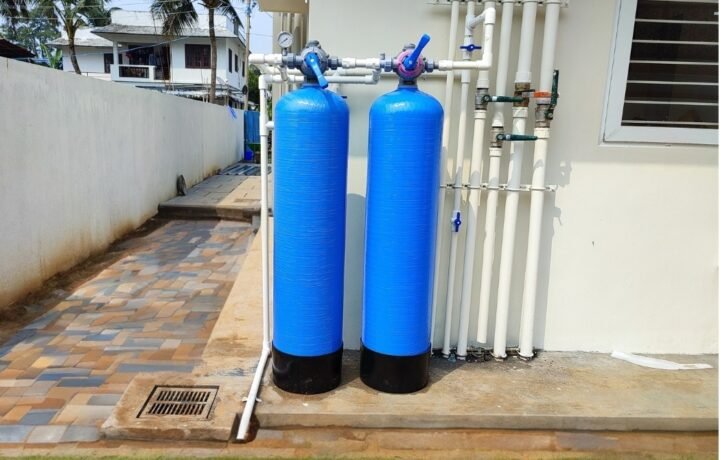
This is where iron and rust removal becomes important. Iron in water may appear as clear-water iron, red-water iron, or bacterial iron, and each type needs the right treatment approach. A basic filter may catch some particles, but dissolved iron often requires more advanced filtration or oxidation systems.
The same goes for rust from aging pipes. If the issue is inside the plumbing, treatment may need to be combined with repairs or system upgrades. That’s why guessing rarely works. Testing first saves time, money, and repeat frustration.
Water Treatment for Homes and Businesses
Every property has different water demands. A family home may need better-tasting drinking water, softer water for appliances, and protection from stains. A restaurant may need clean water for food preparation, ice machines, coffee equipment, and customer safety. A hotel, office, farm, factory, or medical facility may require a much larger and more customized system.
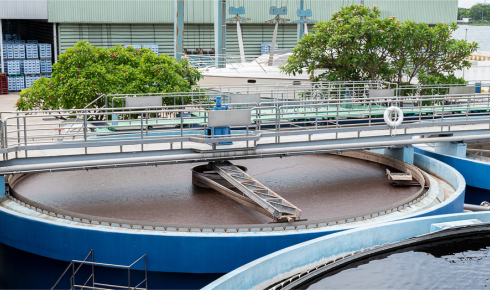
That’s why commercial water treatment is built around usage, volume, water source, and compliance needs. Businesses can’t rely on one-size-fits-all filters from a hardware store. They need systems that can handle daily demand, reduce contaminants, protect equipment, and keep operations running smoothly.
For example, hard water can damage boilers, dishwashers, laundry equipment, cooling towers, and manufacturing systems. Sediment can clog lines and reduce efficiency. Iron and manganese can stain surfaces and create maintenance headaches. Poor water quality may also affect taste, smell, and product consistency, especially in food, beverage, hospitality, and healthcare environments.
The Value of Proper Testing
The smartest first step is always water testing. Not guessing. Not choosing a filter because a neighbor uses one. Actual testing.
A good water test can check for hardness, pH, iron, sulfur, manganese, sediment, chlorine, bacteria, total dissolved solids, and other concerns depending on the property. Once the results are clear, the right treatment plan becomes much easier to design.
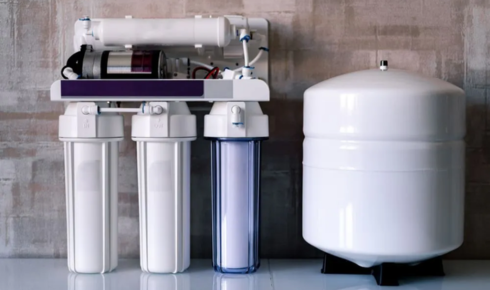
This might include water softeners, carbon filtration, reverse osmosis, UV purification, sediment filters, oxidation systems, aeration, chemical feed systems, or whole-building filtration. Sometimes a combination works best. The goal is not just to make water look better today, but to create a reliable system for the long run.
Better Water Protects More Than Your Tap
Good water treatment can improve daily life in small but noticeable ways. Showers feel cleaner. Laundry looks brighter. Coffee tastes better. Appliances last longer. Plumbing has fewer buildup problems. Businesses spend less time dealing with stains, odors, clogged equipment, and customer complaints.
There’s also peace of mind in knowing what’s actually in your water. For many people, that matters just as much as taste or appearance.
A Practical Ending, Not a Perfect One
Water problems are easy to brush off until they become expensive. A smell here, a stain there, a little cloudy water now and then — these things can seem minor. But water is used every single day, in nearly every part of a home or business. When it’s not right, the effects quietly spread.
The good news is, most water quality issues can be improved with the right testing and treatment system. Whether the problem is odor, rust, hardness, sediment, or something more complex, a thoughtful approach makes all the difference. Clean water shouldn’t feel like a luxury. It should just be there, doing its job, without making you think twice.