
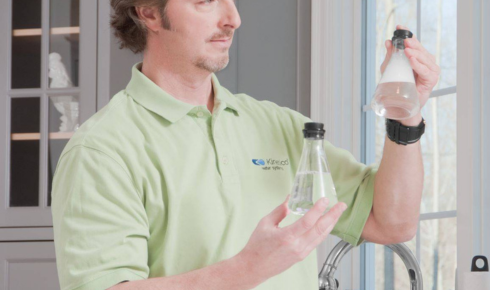
There’s a strange moment that happens in a lot of homes. You pour a glass of water like you’ve done a thousand times before, take a sip, and suddenly notice something feels… off. Maybe it smells faintly metallic. Maybe the coffee tastes weird lately. Or perhaps your skin feels dry after every shower and you can’t quite explain why.
Most people don’t think much about the water running through their house until something starts bothering them. And honestly, that’s understandable. Water is supposed to be simple. Turn the tap on, trust it, move on with your day.
But the reality is a little messier than that.
The Little Signs People Often Ignore
A lot of common household annoyances are quietly connected to water quality. Spots on dishes, soap that refuses to lather properly, buildup around faucets, strange odors near the sink — they don’t always seem important at first. People adapt to them.
I remember visiting a relative years ago who kept replacing kettles because they’d develop thick white crust inside after only a few months. She thought it was just “cheap appliances.” Turned out the hard water in her area was doing most of the damage.
That’s the tricky thing about water problems. They rarely arrive dramatically. More often, they creep into daily life in subtle, irritating ways.
Sometimes the issue is sediment. Sometimes excess minerals. In older homes, aging pipes can contribute their own unpleasant surprises. And depending on where someone lives, seasonal changes can even affect taste and smell.
It’s not always dangerous, but it can absolutely affect comfort, plumbing, appliances, and peace of mind.
Why More Homeowners Are Paying Attention
People today are more aware of what goes into their bodies than they used to be. Ingredients matter. Air quality matters. And naturally, water matters too.
That awareness has changed how many families approach home maintenance. Instead of waiting for something to fail completely, they’re looking for smarter ways to improve everyday living before bigger issues appear.
That’s partly why the conversation around water treatment has grown so much over the past decade.
And no, it’s not just about luxury homes or expensive setups anymore.
Modern systems come in all shapes and sizes. Some are simple under-sink solutions. Others work for the entire house. What matters most is understanding the actual issue first instead of randomly buying equipment online because an ad promised “perfect water.”
That approach usually ends badly.
A proper water test often reveals more than people expect. Hardness levels, chlorine content, iron, sulfur, sediment — each problem has different solutions. What works beautifully in one home may be completely unnecessary in another.
Honestly, that part gets overlooked way too often.
Clean Water Feels Different in Everyday Life
One thing people rarely mention is how noticeable good water becomes once you experience it consistently.
Hair feels softer. Laundry smells cleaner. Soap rinses more easily. Even drinking plain tap water somehow becomes more enjoyable instead of something you tolerate.
It’s funny because many homeowners don’t realize how much they were compensating for poor-quality water until the issue improves.
I’ve heard people describe it almost like background noise disappearing.
Of course, not every home requires a complicated system. In some cases, a simple filter is enough. In others, especially homes with well water, the setup may need to be more advanced.
That’s where understanding water filtration actually matters.
A good filtration system isn’t about marketing buzzwords. It’s about removing the things that shouldn’t be there while keeping the process practical and manageable for everyday use. Some filters target chlorine and odors. Others focus on sediment, bacteria, or heavy metals.
And maintenance matters more than people think.
Even the best filter becomes ineffective if nobody changes cartridges or services the unit. It’s a bit like owning an expensive air purifier but never cleaning it. Eventually, performance drops and people wonder why nothing feels different anymore.
It’s Not About Fear — It’s About Comfort
Sometimes conversations around water quality become overly dramatic online. Every article starts sounding like a survival guide, and that can make homeowners feel overwhelmed.
Realistically, most people aren’t facing catastrophic conditions.
Still, improving water quality can genuinely improve daily life in ways that feel surprisingly personal. Better showers. Better cooking. Longer-lasting appliances. Fewer plumbing headaches. Those things add up quietly over time.
And if someone has children, elderly family members, or sensitive skin conditions in the house, even small improvements may feel worthwhile.
The key is balance.
Not every home needs industrial-level equipment, but ignoring obvious signs usually doesn’t help either.
A Smarter Relationship With Water at Home
The older I get, the more I realize comfort at home comes from the little things working properly. Stable electricity. Clean air. Reliable water. You don’t obsess over them daily, but when something feels wrong, it affects everything else around it.
Water sits in that category.
It’s easy to take for granted until dishes start looking cloudy, pipes begin acting up, or every glass from the kitchen sink tastes faintly strange.
Paying attention doesn’t mean becoming paranoid. It simply means noticing what your home is trying to tell you.
And honestly, sometimes the solution is simpler than people expect.