There’s something oddly comforting about turning on a tap and not having to think twice about what comes out of it. Most of us grew up assuming water was just… water. Safe enough. Good enough. But somewhere along the way, people started paying more attention — maybe after spotting hard stains around the sink, maybe after noticing chlorine taste in drinking water, or maybe after one too many plumbing repairs that felt avoidable.
Clean water isn’t just about health anymore. It’s become part of how we care for our homes, our appliances, even our peace of mind.
The Little Signs People Tend to Ignore
Water problems usually don’t announce themselves dramatically. They creep in quietly.
You notice your shower glass always looks cloudy no matter how much you clean it. Soap refuses to lather properly. White residue builds around faucets. Maybe your morning tea tastes slightly metallic one week and overly chemical the next. Small things, honestly. Easy to shrug off.
But over time, those signs start adding up.
In many households, especially in areas with mineral-heavy groundwater, untreated water slowly wears down pipes, heaters, and washing machines. It can dry out skin, fade clothes faster, and leave dishes looking dull even straight out of the dishwasher. None of it feels urgent at first. Yet collectively, it changes how a home feels day to day.
That’s one reason more homeowners are investing in water treatment systems instead of relying solely on municipal supply standards.
Why “Safe” Water Doesn’t Always Mean Pleasant Water
This part surprises a lot of people.
Municipal water can absolutely meet safety guidelines and still contain things you’d rather not drink daily — chlorine residue, sediment, trace contaminants, or unpleasant odors. Safety regulations are important, of course, but they don’t necessarily guarantee taste, texture, or long-term comfort.
Think about it like grocery store coffee. Technically, it’s coffee. But once you’ve had a really fresh cup made properly, the difference becomes obvious.
Water works the same way.
Some families install filters because of health concerns. Others do it because their kids refuse to drink tap water. And honestly, some people are just tired of buying endless plastic bottles every week.
No single reason is more valid than another.
The Quiet Convenience of Better Filtration
One thing homeowners often mention after upgrading their systems is how quickly cleaner water becomes normal. You stop thinking about it after a while — which is kind of the point.
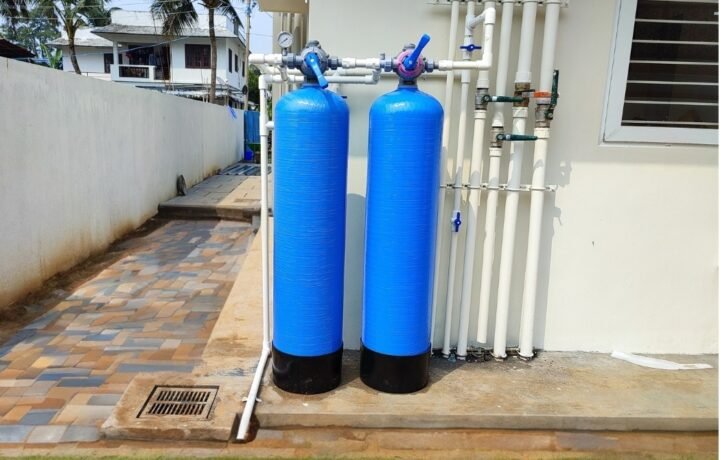
A reliable water filtration setup can reduce sediment, chlorine taste, and various impurities depending on the system being used. Some are simple under-sink units. Others treat the entire house. The right choice usually depends on local water quality and everyday habits.
For example, a small apartment household may only care about drinking water quality. A larger family home dealing with hard water buildup might need something more comprehensive.
And honestly, that flexibility matters. Not everyone needs an expensive industrial-style system. Sometimes small improvements make the biggest difference.
Hard Water Is More Annoying Than People Realize
If you’ve never dealt with hard water before, it’s easy to underestimate it.
But ask someone whose showerhead clogs every few months or whose water heater keeps losing efficiency. They’ll tell you pretty quickly.
Hard water contains high levels of minerals like calcium and magnesium. While not necessarily dangerous, it can be incredibly frustrating. Appliances work harder. Laundry feels rougher. Skin can feel tight or itchy after bathing. Even shampoo seems less effective somehow.
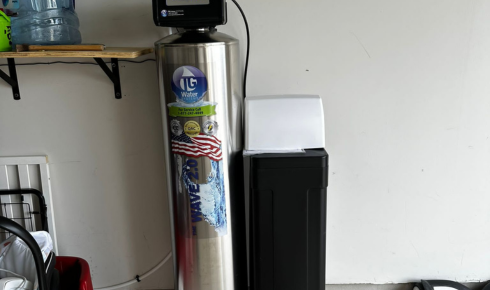
That’s where water softening systems come into the picture.
People often describe softened water as feeling “lighter” or “smoother,” though that sounds vague until you experience it yourself. Towels stay softer. Dishes come out cleaner. Faucets don’t collect crusty buildup nearly as fast. There’s less scrubbing involved in everyday cleaning, which — let’s be honest — nobody complains about.
Choosing a System Without Getting Overwhelmed
The water industry can feel surprisingly complicated once you start researching it.
Reverse osmosis. Carbon filtration. Ion exchange. UV purification. Salt-free systems. Whole-house systems. Point-of-use systems. At some point it starts sounding less like home improvement and more like chemistry class.
The good news is that most homeowners don’t need to become experts overnight.
A basic water test is usually the smartest first step. It tells you what’s actually in your water instead of relying on guesswork or scary internet headlines. From there, solutions become easier to narrow down.
Some homes only need sediment removal. Others benefit more from softeners or taste-focused filtration. It’s rarely about buying the biggest or most expensive system available. It’s about solving the right problem.
And truthfully, that’s where a lot of people waste money — purchasing systems based on marketing rather than actual need.
Cleaner Water Changes Daily Life in Small Ways
What’s interesting is how subtle the benefits feel once you’ve adjusted to them.
Coffee tastes cleaner. Ice cubes stop carrying weird odors from the freezer. Shower doors stay cleaner longer. Soap works the way it’s supposed to. You stop buying bottled water without even thinking about it.
None of these things sound life-changing on paper. Yet together, they quietly improve daily routines.
There’s also something reassuring about knowing the water your family drinks every day has an extra layer of protection behind it. In a world where people are increasingly cautious about what they consume, that peace of mind matters more than ever.
And maybe that’s the real reason water systems have become so common lately. Not fear. Not trends. Just people wanting their homes to feel healthier, simpler, and a little easier to live in.