There’s something oddly comforting about turning on a kitchen tap and not having to think twice about what comes out of it. Most of us don’t really notice water until it starts causing problems — dry skin after showers, cloudy glasses from the dishwasher, strange smells, or that metallic taste you can’t quite ignore anymore. Funny how something so essential quietly shapes everyday life in the background.
A few years ago, a friend moved into an older home outside the city and kept complaining that her coffee tasted “off.” She blamed the beans for weeks. Turned out the issue had nothing to do with coffee at all. The water was loaded with minerals and sediment, and once she dealt with that, even simple things like tea and soup somehow tasted cleaner and lighter. It’s one of those household details people underestimate until they experience the difference firsthand.
Water Isn’t the Same Everywhere
One thing homeowners quickly learn is that water quality varies wildly depending on where you live. City-treated water can still carry chlorine odors or mineral buildup, while well water sometimes comes with iron, sulfur, or bacteria concerns. Rural homes especially tend to deal with unpredictable conditions because groundwater changes seasonally.
That’s why many families start researching water softeners after noticing white buildup around faucets or stiff laundry coming out of the wash. Hard water may not seem dangerous, but over time it can wear down appliances, clog pipes, and even shorten the lifespan of water heaters. It’s a slow kind of damage — the sort you don’t notice until repair bills show up.
Softened water often feels different immediately. Soap lathers better. Dishes rinse cleaner. Some people even say their skin feels less irritated after a week or two. It’s not magic, of course, just chemistry working quietly behind the scenes.
The Taste Test Most People Ignore
Here’s an interesting thing: people adapt to bad-tasting water surprisingly fast. If you drink the same water every day, your brain sort of normalizes it. But when you visit another house and suddenly notice how fresh their water tastes, it clicks.
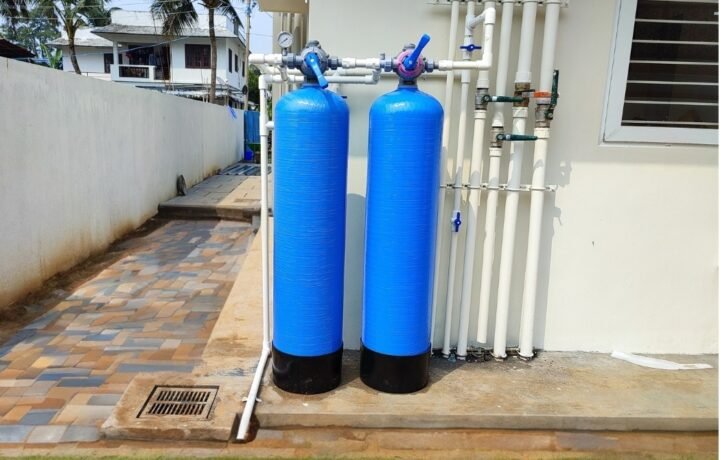
Modern drinking water systems have become far more advanced than the bulky filters people used twenty years ago. Reverse osmosis setups, carbon filtration, UV purification — there are now systems designed specifically for different household needs rather than one-size-fits-all solutions.
And honestly, it’s not always about fear or contamination. Sometimes it’s just about comfort. Cleaner-tasting water encourages people to drink more water instead of reaching for soda or bottled drinks. Families cook with it more confidently. Ice cubes stop smelling weird. Little things, but they add up.
A neighbor of mine installed a filtration system mainly because he was tired of hauling bottled water packs home every weekend. Six months later, he admitted the biggest surprise wasn’t the convenience — it was how much money he’d quietly stopped spending.
Small Clues That Something’s Off
Water issues rarely arrive dramatically. Usually, the signs creep in slowly.
Maybe your sink develops orange stains. Maybe your showerhead loses pressure every few months. Perhaps your laundry fades faster than expected, or your tap water suddenly smells earthy after heavy rain. These subtle shifts are often the first hints of problem water conditions developing somewhere in the system.
People tend to ignore these signals because life gets busy. But untreated water issues rarely stay small forever. Mineral accumulation inside pipes can become expensive. Certain contaminants may affect plumbing fixtures or appliances long before they become obvious in a glass.
Testing water every now and then is one of those boring homeowner tasks that genuinely matters. Not glamorous. Not exciting. But useful in the same way routine car maintenance is useful.
Choosing a System Without Overcomplicating It
The water treatment industry can feel overwhelming. Walk into a showroom or browse online for ten minutes and suddenly you’re drowning in technical jargon: TDS levels, ion exchange, sediment stages, micron ratings. It’s enough to make anyone give up halfway through.
Truthfully, most households don’t need the most expensive setup on the market. The smarter approach is figuring out the specific issue first.
If hard minerals are damaging appliances, a softener may help. If taste and odor are the problem, carbon filtration might be enough. If contaminants or bacteria are concerns, then deeper purification systems make more sense.
That’s the part sales brochures rarely mention — the best solution depends entirely on the actual water entering your home.
And sometimes, simpler is better. A well-maintained mid-range system often outperforms an expensive neglected one.
Water Quality Affects Daily Life More Than We Realize
It’s easy to think of clean water as a luxury upgrade until you experience the difference consistently. Better water changes cooking, cleaning, showers, laundry, appliance maintenance, even the way coffee tastes in the morning. Strange little improvements start appearing everywhere.
You notice softer towels. Brighter dishes. Less soap scum. Fewer bottled water purchases stacked in the garage.
None of it feels dramatic in isolation. But together, it creates a home that simply functions better.
And maybe that’s why more homeowners are finally paying attention to their water now. Not because it’s trendy or high-tech, but because once you realize how deeply water affects daily comfort, it becomes difficult to ignore.