There’s something oddly comforting about turning on a tap and not having to think twice about the water coming out of it. You fill a glass, wash vegetables, take a shower, start the dishwasher — all without wondering what’s actually flowing through the pipes. But lately, more homeowners are paying closer attention to water quality, and honestly, it makes sense.
Water touches almost every part of daily life. When it’s too hard, too chlorinated, or carrying sediment and impurities, you notice it in little ways first. Dry skin after showers. White spots on dishes. Weird taste in coffee. Laundry that somehow never feels fully clean. Over time, those “little things” start becoming expensive annoyances.
That’s one reason people are increasingly investing in better home water solutions. Not because it’s trendy, but because once you experience cleaner water consistently, it’s surprisingly hard to go back.
The Everyday Problem With Hard Water
Hard water isn’t dangerous in most cases, but it can be frustrating. Minerals like calcium and magnesium build up inside pipes, appliances, and fixtures over time. If you’ve ever seen crusty residue around faucets or noticed your showerhead clogging too often, there’s a good chance hard water is involved.
The effect on appliances is something people don’t always think about immediately. Water heaters, washing machines, and dishwashers quietly lose efficiency when mineral buildup accumulates inside them. Eventually, repairs become more frequent. Energy bills creep upward too.
That’s where water softeners often enter the conversation. A good softening system helps reduce mineral buildup and extends the lifespan of plumbing and appliances. But the thing many homeowners appreciate most isn’t technical at all — it’s comfort. Softer water tends to feel gentler on skin and hair, and soap actually lathers properly again. Funny how quickly you notice the difference once it changes.
Clean Water Isn’t Just About Taste
A lot of people assume filtration is only for drinking water. In reality, the quality of household water affects far more than what ends up in a glass.
Think about showers, cooking, laundry, even brushing your teeth. Water containing sediment, chlorine, or contaminants can impact smell, texture, and overall comfort throughout the house. Some families start with a small under-sink filter and eventually realize they want cleaner water everywhere.
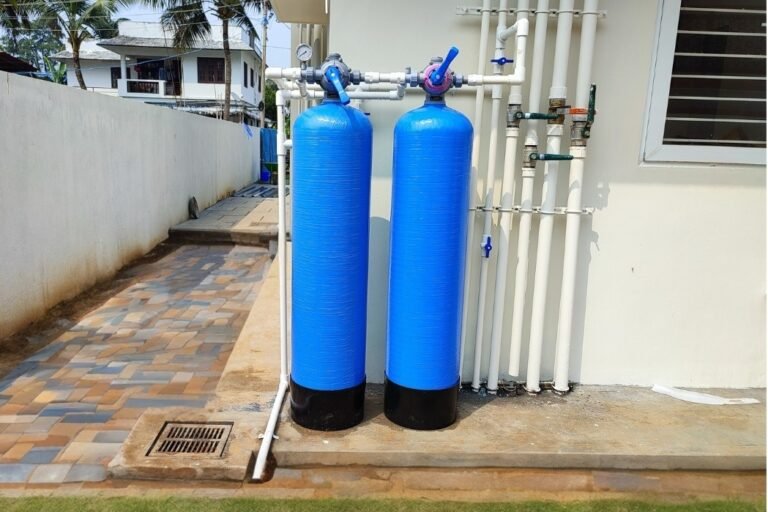
That’s why more homeowners are exploring whole house water systems rather than single-point solutions. These systems treat water as it enters the home, helping improve water quality across every faucet and appliance.
And no, it’s not always about luxury. Sometimes it’s just practical. If you live in an area with inconsistent municipal water or rely on well water, whole-home treatment can remove a lot of uncertainty from daily life.
The Emotional Side of Better Water
People rarely talk about this part, but cleaner water changes routines in subtle emotional ways too.
You stop buying endless packs of bottled water. Showers feel less irritating during winter. Tea tastes cleaner somehow. Even pets seem to drink more comfortably. There’s a quiet peace of mind in knowing the water running through your home has been properly treated.
Parents especially tend to think differently once children enter the picture. Suddenly, things that once felt “good enough” don’t anymore. That shift alone drives many home filtration decisions.
It’s not fear-driven. More like… awareness-driven.
Choosing the Right System Takes Some Patience
The market for water treatment products can feel overwhelming fast. Every company promises the “ultimate solution,” and technical jargon gets thrown around constantly. Reverse osmosis. Carbon filtration. UV purification. Salt-based systems. Salt-free conditioners. It’s easy to tune out halfway through the research process.
The smartest approach is usually the simplest one: start with understanding your actual water.
A professional water test often reveals more than people expect. Some homes struggle mainly with hardness. Others deal with iron, chlorine, sulfur smells, or sediment. Once you know the issue, choosing the right solution becomes far less confusing.
That’s where proper water filtration matters most — not as a generic product, but as a system tailored to the specific problems in your home. A setup that works perfectly in one region may not make sense somewhere else.
And honestly, overspending on unnecessary equipment happens all the time.
Maintenance Matters More Than Marketing
Here’s the part sales brochures don’t always emphasize enough: even great systems need upkeep.
Filters require replacement. Salt levels need checking. Systems should occasionally be serviced to stay efficient. Ignoring maintenance defeats the whole purpose. It’s a little like buying a nice car and never changing the oil.
Fortunately, modern systems have become easier to manage than they used to be. Many now include monitoring features or simple maintenance reminders. Some practically handle themselves aside from occasional filter changes.
Still, homeowners who get the best long-term results are usually the ones who treat water quality as an ongoing part of home care — not a one-time purchase.
A Small Upgrade That Changes Daily Life
Home improvements often focus on things people can see immediately. New flooring. Fresh paint. Kitchen remodels. But cleaner water quietly improves everyday living in ways that are harder to photograph and easier to feel.
And maybe that’s why so many homeowners say they wish they’d upgraded sooner.
It’s not dramatic. There’s no grand before-and-after reveal. Just fewer frustrations, cleaner dishes, softer laundry, and a little more confidence in something your family uses every single day.
Sometimes the best home upgrades are the ones working silently in the background.