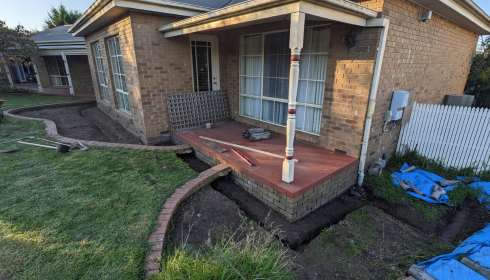
Proper drainage is a must for protecting your home from water damage. In residential and commercial areas, AGI pipe drainage plays an important role in managing excessive ground water and protecting against soil erosion, water logging, and structural damage. However, the effectiveness of your AGI drainage system largely depends on proper design and the use of reliable civil construction matter. From selecting the right pipes and fittings to preparing the trench and more, there’s a lot you need to consider for the system to work as intended.
At Convic Australia, we understand the importance of a proper AGI pipe drainage system. In this post, we want to walk you through the step-by-step process of installing AGI drainage systems and what you need to do to ensure proper drainage and long-term reliability.
What are AGI pipes?
AGI pipes, also known as agricultural pipes, are “slotted, flexible plastic pipes that are buried in the trenches. The primary purpose of AGI pipes is to manage the excess water in the subsoil and protect the land and foundations from water damage. AGI pipes are most suitable for situations where you do not have complete control over the excessive ground moisture in your area.
How do AGI pipes work?
AGI pipes are perforated or slotted pipes that are installed in trenches. They work by providing any groundwater accumulated in the soil the path of least resistance. This allows the water to seep into the pipes and be carried away with nothing but gravity. Once the trench is dug, the pipe is surrounded by gravel or aggregate, which acts like a filter and guide. Geotextile socks, which cover the pipes, keep the soil from entering through the pipe perforations and clogging the pipe.
How do you install AGI pipes?
Here are the key steps that go into installing AGI pipes in your property:
- Plan and Mark – Identify the lowest point of drainage on your property and mark the trench line. Since we want to offer the path of least resistance, make sure that it’s a downward slope away from the building.
- Dig the Trench – dig a trench about 300 mm deep and 200 mm wide. However, the actual measurements of the trench can depend on the size of your AGI pipes.
- Add the Gravel Base – Place gravel or blue metal at the bottom of the trench to act as a filter and base.
- Lay the Pipe – Place the pipe in the trench and on top of the gravel bed.
- Backfill with Aggregate – Cover the AGI pipe with more gravel and allow the water to filter through.
- Top with Soil – Fill the remaining portion of the trench with sand or topsoil to complete the installation.
During the installation process, make sure to keep these critical points in mind:
- Make sure to place the pipe at a slope away from the property. You must offer the groundwater the path of least resistance away from your property.
- Do not connect the AGI pipes directly to solid stormwater pipes. This is because there is a potential for backflow.
- Use geofabric socks to cover the perforations of the AGI pipe and prevent silt and clay from seeping into the pipe itself.
Conclusion
With AGI pipes, you have much greater control of the land over the groundwater on your land. But your AGI system can only perform its intended function only when you install it following the correct steps. At the same time, the quality of the AGI pipes and other civil construction material used in the project also matters a great deal as well.
If you’re ready to get your project started and are now looking for high-quality supplies, Convic Australia has got you covered. With a range of high-quality drainage supplies, we have everything you need to build and complete your project with confidence. Contact us today and source all the supplies you need.