There’s something oddly comforting about turning on a tap and not having to think twice about the water coming out of it. Most of us assume it’s fine until little signs start showing up — dry skin after showers, white spots on dishes, strange tastes in drinking water, or appliances that seem to wear out faster than they should. Funny how water quietly affects everyday life without demanding much attention.
A few years ago, a friend of mine moved into a new house outside the city and immediately noticed her kettle looked ancient after only two months. Chalky buildup everywhere. At first she blamed the appliance. Turns out, it was the water all along.
That’s where modern home water systems step in. Not in an overdramatic, “change your life overnight” kind of way, but in the subtle, practical sense that makes daily routines smoother and healthier.
Understanding What’s Really in Your Water
Most municipal water is treated before it reaches homes, but treatment standards don’t always mean perfection. Minerals, chlorine, sediment, and even traces of contaminants can still travel through aging pipelines and local plumbing systems.
Hard water is one of the most common issues homeowners deal with. It contains high levels of calcium and magnesium. Not dangerous, necessarily, but definitely annoying. Soap doesn’t lather properly, laundry feels stiff, and fixtures develop stubborn mineral stains.
That’s why many homeowners begin exploring water conditioning systems when they start noticing those persistent little frustrations. Unlike some heavy-duty filtration methods, conditioning systems often focus on reducing the effects of hard minerals rather than completely stripping them away. The result feels gentler and more balanced for everyday use.
And honestly, once people experience softer-feeling water, they rarely want to go back.
The Quiet Role Water Plays in Daily Comfort
You don’t always connect water quality with comfort until something changes.
Skin can feel less irritated. Hair may become easier to manage. Coffee tastes cleaner somehow. Even cooking pasta or washing vegetables feels a little different when water quality improves. It’s subtle, but real.
I remember visiting a relative whose home had severe hard water problems. Their shower doors looked permanently foggy no matter how much scrubbing they did. After installing a treatment system, they joked that cleaning became “slightly less of a part-time job.”
That’s probably one of the most overlooked benefits — less maintenance around the house.
Mineral buildup quietly damages plumbing over time too. Pipes narrow, water heaters lose efficiency, and appliances work harder than they should. It’s rarely dramatic at first. Just slow wear and tear that adds up year after year.
Choosing the Right System Isn’t Always Simple
The water industry has no shortage of promises. Some systems claim miracle purification. Others throw around technical jargon that makes comparison nearly impossible for the average homeowner.
Truthfully, the best setup depends heavily on the specific water problems in your area.
For example:
- Homes with extremely hard water often benefit from traditional softening systems.
- Properties using well water may need sediment and iron filtration.
- Urban households sometimes focus more on chlorine taste and odor reduction.
- Older homes may require more advanced filtration due to pipe conditions.
That’s why testing your water first matters more than buying the most expensive unit online.
A good water specialist usually asks questions before recommending anything. That’s generally a good sign. If someone tries to sell a “universal fix” immediately, it’s worth being cautious.
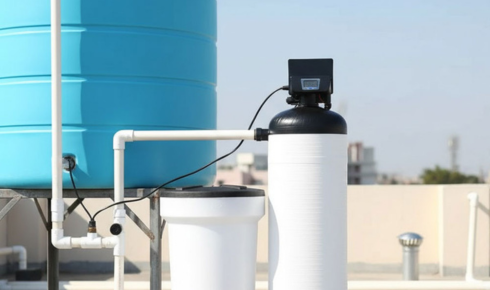
Why More Homeowners Are Installing Water Softeners
There was a time when treatment systems felt like luxury purchases, mostly associated with large suburban homes. That perception has shifted a lot in recent years.
Now, many smaller households are installing water softeners simply because they’re tired of dealing with limescale buildup, damaged fixtures, and expensive appliance repairs. In regions with hard water, these systems have become surprisingly common.
What’s interesting is how quickly people notice everyday improvements. Towels feel softer. Glassware comes out cleaner. Even shower pressure can improve if pipes were partially restricted by mineral deposits.
And while no system is completely maintenance-free, modern units are generally far more efficient and user-friendly than older generations. Some even monitor water usage automatically and regenerate only when necessary, which helps reduce waste.
Cleaner Water Doesn’t Have to Feel Complicated
The phrase water treatment sometimes sounds industrial or overly technical, but at its core, it’s really just about improving the quality of the water people use every day.
Not every household needs an advanced multi-stage purification setup. Sometimes a basic carbon filter is enough. Other homes genuinely benefit from a whole-house system.
The important thing is understanding your actual water conditions instead of guessing.
There’s also a growing awareness around sustainability. People want systems that waste less water, use less salt, and require fewer harsh chemicals. Manufacturers seem to be responding to that demand slowly, though not perfectly.
Still, homeowners today have far more choices than they did even ten years ago.
Small Changes That Make Home Feel Better
Good water doesn’t usually announce itself. It just quietly improves things in the background.
Maybe your morning tea tastes cleaner. Maybe your skin feels less dry during winter. Maybe your dishwasher stops leaving cloudy marks on every glass. These aren’t huge dramatic transformations, but together they shape how comfortable a home feels.
And honestly, that matters more than most people realize.
Investing in better water quality is rarely about chasing perfection. It’s about removing the small annoyances that build up over time and making everyday life just a little easier. Sometimes the best home upgrades are the ones you stop noticing because everything simply works the way it should.