Most people think about clean air only when something smells wrong. Maybe the kitchen holds onto last night’s fried food a little too long, or the basement has that damp, dusty odor that never really leaves. Sometimes it’s pet hair, sometimes it’s smoke from outside, and sometimes it’s just that stale feeling a home gets when the windows stay shut for days.
But the truth is, the air inside a home can carry much more than a bad smell. It can hold dust, pollen, mold spores, bacteria, chemical particles, and all kinds of tiny irritants floating around quietly. You don’t always see them, but your body may notice. A dry throat in the morning. Sneezing indoors. Headaches that seem to show up for no clear reason. That heavy, tired feeling in rooms that should feel fresh.
Why Clean Indoor Air Matters More Than People Think
Good indoor air quality is not just about comfort. It affects how well you sleep, how easily you breathe, and even how clean your home feels after you’ve already cleaned it. A house can look spotless and still have air that feels dusty or irritating.
Modern homes are built tighter than older ones, which is great for saving energy but not always great for airflow. When air doesn’t move properly, particles can keep circulating from room to room. Carpets, furniture, pets, cleaning products, cooking, candles, and even outdoor pollution sneaking in through doors and vents can all add to the problem.
This is where homeowners often start looking beyond basic cleaning. Vacuuming helps. Changing HVAC filters helps too. But those steps may not be enough if the air itself needs deeper treatment.
What an Air Cleaning System Actually Does
An air scrubber is designed to reduce unwanted particles and pollutants from the air as it moves through a home or building. Unlike a regular filter that simply catches some dust as air passes through, many advanced air-cleaning systems work more actively to target particles, odors, and microorganisms.
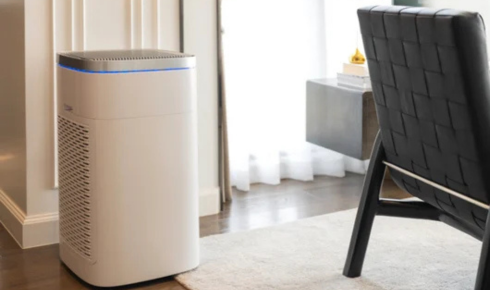
Some are installed directly into the HVAC system, helping treat air as it circulates. Others may be portable units placed in specific rooms. The goal is generally the same: cleaner, fresher air with fewer irritants floating around.
Of course, not every system works the same way. Some use filtration, some use UV light, some use ionization or other purification methods. That’s why it’s smart to understand what your home actually needs before choosing one. A family dealing with pet dander may need something different from a home with mold concerns or strong odors.
The Hidden Problem With Tiny Air Particles
The tricky part about airborne co ntaminants is that they are often too small to notice. Dust is easy to blame because you can see it on shelves, but many particles floating in the air are microscopic. They can come from outside traffic pollution, wildfire smoke, pollen, cleaning sprays, damp areas, renovation work, or even normal everyday living.
People with allergies, asthma, or sensitive lungs may feel these issues faster. But even healthy people can feel the difference between stale, particle-heavy air and air that feels genuinely clean. You know that crisp feeling after a room has been aired out on a cool morning? That’s the kind of freshness many people want more consistently indoors.
Signs Your Home May Need Better Air Cleaning
Not every home needs a major air system, but there are a few clues worth noticing. If dust returns quickly after cleaning, that could mean particles are constantly circulating. If certain rooms smell musty, especially near basements, bathrooms, or laundry areas, moisture may be playing a role. If family members sneeze more indoors than outdoors, the air may be carrying allergens.
Lingering cooking odors, pet smells, smoke smells, and that “closed-up house” feeling can also point to poor air circulation or filtration. Sometimes the issue is the HVAC filter. Sometimes it’s humidity. Sometimes it’s a deeper air quality problem that needs a stronger solution.
Clean Air Works Best With Good Habits
No device can replace basic home care. The best results usually come from combining smart habits with the right equipment. Change HVAC filters on schedule. Keep humidity under control. Use exhaust fans while cooking and showering. Vacuum with a good filter if possible. Fix leaks quickly, because moisture and mold are close friends, unfortunately.
It also helps to reduce unnecessary chemical sprays indoors. A room can smell “fresh” after heavy fragrance, but that doesn’t always mean the air is cleaner. Sometimes it just means the problem has been covered up.
Choosing the Right Solution for Your Home
Before buying any system, consider the size of your home, your HVAC setup, your biggest air concerns, and whether anyone in the house has allergies or breathing sensitivities. A professional inspection can be useful, especially if you suspect mold, poor ventilation, or hidden moisture.
A good air-cleaning solution should fit your home’s real needs, not just sound impressive on the box. Bigger is not always better. More expensive is not always smarter. The right choice is the one that improves the air you actually live with every day.
Final Thoughts
Clean air is easy to take for granted until it starts affecting daily life. When your home smells fresher, feels lighter, and doesn’t leave you waking up stuffy or irritated, it changes the whole mood of the place. It’s not dramatic, exactly. It’s more like a quiet improvement you notice slowly.
A cleaner home isn’t only about shiny counters and fresh laundry. It’s also about the air moving through every room, every hour, whether anyone is thinking about it or not.