Hard water doesn’t usually announce itself in a dramatic way. There’s no loud bang from the pipes or flashing warning light near the sink. It just sort of moves in quietly. A cloudy glass here, a chalky showerhead there, soap that refuses to lather properly, and before long, you start wondering why everything in the house feels a little harder to clean than it should.
For many homeowners, hard water is one of those everyday problems that seems small until it becomes annoying. And sometimes expensive. The minerals inside the water, mostly calcium and magnesium, are not usually dangerous to touch or use. In fact, they’re naturally occurring. But when they keep flowing through taps, appliances, fixtures, and plumbing day after day, they leave signs behind.
What Hard Water Actually Does
The trouble starts when water passes through rocks, soil, or underground mineral layers before reaching your home. Along the way, it picks up dissolved minerals. That’s what makes the water “hard.” It may still look perfectly clear in a glass, but the effects show up over time.
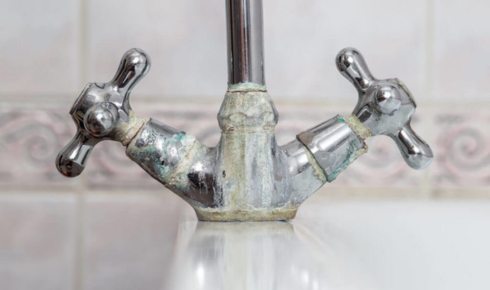
One of the most common signs is hard water build up around faucets, showerheads, drains, and inside appliances. It often looks like a white or grey crust, and it can be stubborn. You wipe it away, and somehow it comes back again, almost like the house is playing a little joke on you.
This buildup can reduce water flow, clog tiny openings in fixtures, and make sinks and tubs look older than they are. It’s not always a disaster overnight, but it slowly wears on the comfort and cleanliness of a home.
Why Cleaning Feels Like a Never-Ending Job
Hard water can make ordinary cleaning tasks feel strangely unrewarding. You scrub the bathroom glass, rinse it, dry it, and still see cloudy marks when the light hits the surface. Dishes may come out of the dishwasher with spots. The kitchen faucet might look polished for one day and dull the next.
Those annoying marks are often hard water stains, and they tend to appear on glass shower doors, tiles, stainless steel, sinks, and toilet bowls. They form when water evaporates and leaves minerals behind. The longer they sit, the harder they are to remove.
A quick wipe often isn’t enough. People end up using stronger cleaners, more elbow grease, and more time than they planned. And honestly, nobody wants to spend Saturday afternoon fighting with a shower door that refuses to look clean.
Appliances Take the Hit Too
The visible spots are frustrating, but the hidden damage can matter more. Water heaters, washing machines, dishwashers, coffee makers, and ice machines all rely on steady water flow. When hard water passes through them regularly, minerals can collect inside parts that you don’t see.
These mineral deposits can make appliances work harder than necessary. A water heater, for example, may need more energy to heat water if sediment and scale collect inside the tank. Dishwashers may perform poorly. Washing machines might leave clothes feeling stiff or less fresh, even after a full cycle.
Over time, this can shorten the life of appliances. Repairs become more likely. Replacement may come sooner than expected. It’s the kind of cost that sneaks up slowly, then suddenly feels very real.
Your Skin, Hair, and Laundry May Notice It
Hard water doesn’t just affect fixtures and machines. It can also change how soap behaves. Because minerals interfere with lathering, you may need more shampoo, body wash, or detergent to get the same result. Even then, things may not feel quite right.
Hair can feel dry or heavy. Skin may feel tight after a shower. Towels can lose softness. Dark clothes may fade faster, and white fabrics might look dull over time. This doesn’t happen the same way in every home, but when it does, it can be irritating.
Sometimes people blame the soap, the washing machine, or the shampoo brand. And sure, those things matter. But the water itself may be playing a bigger role than expected.
When Should You Do Something About It?
A few water spots here and there may not mean you need to panic. But if you’re constantly cleaning scale, replacing showerheads, dealing with cloudy dishes, or noticing appliance performance problems, it’s worth paying attention.
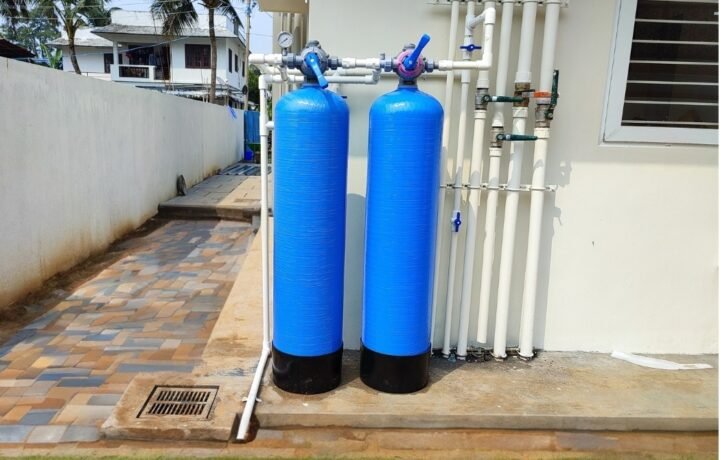
A basic water test can help confirm hardness levels. From there, homeowners can decide what solution makes sense. Some choose a water softener for the whole home. Others use targeted filters or scale-reduction systems, depending on the water source and household needs.
The right choice depends on your plumbing, budget, water usage, and local water conditions. Guessing can lead to wasted money, so a proper assessment is usually the smarter route.
Small Problem, Big Difference
Hard water is easy to ignore because it doesn’t always feel urgent. But homes are built from small systems working together, and water touches nearly all of them. Faucets, pipes, heaters, laundry, dishes, showers, skin, hair — it’s everywhere.
Dealing with hard water is not about chasing perfection or making every surface sparkle like a showroom. It’s really about making daily life a little easier. Cleaner fixtures. Better appliance performance. Softer laundry. Less scrubbing. Fewer little frustrations.
And honestly, that matters. A home should feel comfortable, not like it’s constantly asking you to clean the same cloudy marks again and again.