
There’s something oddly comforting about turning on a tap and not thinking twice. Water flows, you fill a glass, maybe brew some tea, rinse vegetables—simple rituals stitched into daily life. But every so often, something feels off. A faint smell, a strange aftertaste, a cloudy swirl that wasn’t there yesterday. It’s in those moments you realize: water isn’t just there… it has a story.
The Quiet Assumption We All Make
Most of us grow up assuming our water is fine. If it’s clear, it must be clean, right? That’s the quiet deal we make with modern infrastructure. Cities treat water, pipes deliver it, and we trust the system.
But water doesn’t travel in a vacuum. It moves through aging pipelines, underground systems, sometimes even outdated plumbing inside our own homes. By the time it reaches your kitchen sink, it may have picked up more than you bargained for—minerals, sediment, or traces of chemicals that subtly change its quality.
And the tricky part? These changes don’t always announce themselves loudly.
When “Clean” Isn’t Quite Clean
There’s a difference between water that’s technically safe and water that feels right to drink. You can sense it sometimes—metallic notes, a dryness on the tongue, or even how soap behaves differently when you wash your hands.
That’s where water testing becomes more than just a technical exercise. It’s a way of understanding what’s actually in your water, beyond what you can see or smell. A proper test can reveal things like hardness levels, chlorine content, or even contaminants that standard treatment doesn’t fully remove.
It’s not about panic—it’s about awareness.
The People Behind the Process
You might not think about them often, but there’s a whole world of professionals dedicated to figuring out water issues. The good ones don’t just run tests and hand over reports. They ask questions. They listen. They try to understand your home, your habits, your concerns.
Working with experienced water specialists can feel a bit like consulting a doctor for your home’s water system. They look at patterns, recommend solutions, and help you make sense of something that otherwise feels invisible and complex.
And honestly, that human touch matters. Because water problems aren’t always one-size-fits-all.
Small Changes, Big Impact
It’s easy to assume that improving water quality requires some massive overhaul. In reality, it’s often about small, thoughtful adjustments.
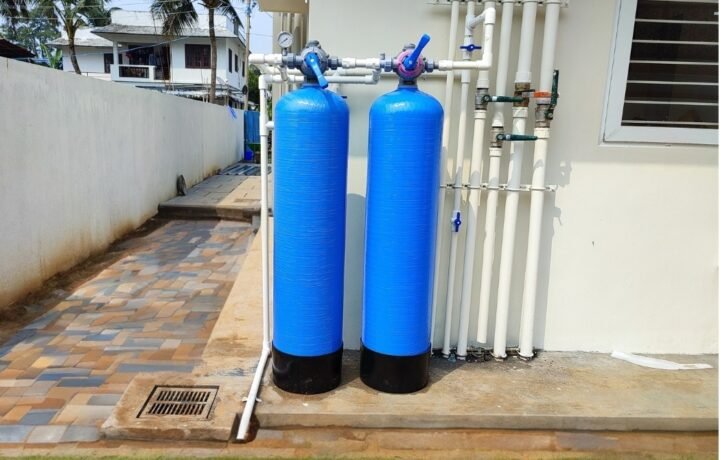
A filtration system under the sink. A softener that reduces mineral buildup. Maybe even just replacing old fixtures that have been quietly affecting your water for years.
Some homeowners I’ve spoken to say the difference is immediate—the taste improves, skin feels less dry, even appliances seem to last longer. It’s one of those upgrades that doesn’t scream for attention but quietly improves everyday life.
A Name That Keeps Popping Up
If you’ve ever gone down the rabbit hole of water solutions in the U.S., chances are you’ve come across great water usa. Not because they shout the loudest, but because their name tends to surface in conversations about reliable service and practical solutions.
What stands out isn’t just the technology—it’s the approach. A focus on understanding local water conditions, tailoring systems to real homes, and not overcomplicating things. That balance between expertise and simplicity is rare, and it shows.
Why It Matters More Than We Think
Water touches everything. It’s in your morning coffee, your shower, your laundry, your cooking. When its quality shifts, even slightly, it ripples through your routine in ways you might not immediately notice.
And yet, we rarely give it the attention it deserves.
Maybe it’s because water feels so ordinary. Or maybe it’s because dealing with it seems… technical, even overwhelming. But the truth is, you don’t need to become an expert. You just need to be curious enough to ask a few questions.
Listening to Your Water
If there’s one takeaway here, it’s this: pay attention.
Notice how your water tastes. How it smells. How it feels on your skin. These small observations can tell you more than you’d expect.
And if something feels off, don’t ignore it. Whether it’s a quick test or a conversation with someone who understands the science behind it, taking that first step can make a real difference.
Because at the end of the day, water isn’t just a utility—it’s part of your daily experience. And when it’s right, you don’t think about it at all. It just works, quietly supporting your life in the background.
But when it’s not… well, that’s when the story begins.