There’s a funny thing about water. We use it every single day without really looking at it. We fill the kettle, rinse vegetables, take showers, water plants, maybe gulp down a glass half-asleep at 2 a.m. It becomes background noise in our lives. Invisible. Familiar.
And honestly, that’s probably why so many people miss the signs when something feels off.
Maybe the tap starts leaving white marks on dishes. Maybe there’s a faint metallic taste you can’t quite explain. Sometimes the water smells slightly earthy after rain, or chlorine-heavy in the middle of summer. Little things. Easy to ignore. Until they aren’t.
The Moment People Start Paying Attention
Most homeowners don’t wake up excited about water testing. Usually, there’s a trigger.
A neighbor mentions contamination in the area. A child develops dry skin. The coffee tastes different. Pipes stain faster than usual. In rural homes, well water suddenly changes color after heavy storms. And then that tiny question appears in the back of the mind:
“What’s actually in our water?”
That question matters more than people think.
Because water can look perfectly clean and still contain minerals, bacteria, metals, or chemicals that quietly affect plumbing, appliances, and sometimes health. It’s not always dramatic. In fact, it rarely is. That’s what makes it tricky.
Clean Doesn’t Always Mean Safe
One of the biggest misconceptions is that clear water equals safe water. Unfortunately, water doesn’t work that way.
Some contaminants have no smell or taste at all. Lead, nitrates, and certain bacteria can exist without obvious signs. Meanwhile, harmless minerals can sometimes create strong odors or cloudy appearances that look alarming but aren’t dangerous.
That’s why real answers usually come from proper testing rather than guesswork.
And honestly, people guess a lot.
Some buy expensive filters without knowing the actual issue. Others blame city systems immediately, while some assume hard water is “normal” and simply live with it. There’s a strange tendency to adapt instead of investigate.
But getting clarity isn’t complicated anymore.
What Modern Testing Actually Looks Like
Years ago, checking household water felt technical and intimidating. Now? It’s surprisingly accessible.
Many local services offer in-home checks, while certified labs can provide deeper reports on contaminants, mineral levels, pH balance, and bacterial presence. Depending on the source—municipal supply or private well—the recommendations can vary quite a bit.
A thorough water analysis often examines things like:
- Hardness levels
- Iron or manganese content
- Chlorine concentration
- Bacteria or microbial growth
- Heavy metals
- Sediment and dissolved solids
It sounds scientific, sure, but the real benefit is practical. Better tasting water. Longer-lasting appliances. Cleaner laundry. Less buildup inside pipes and fixtures.
And peace of mind, honestly. That part’s hard to measure but probably matters most.
Small Water Problems Tend to Become Bigger Ones
One thing plumbers mention constantly is how quietly water issues grow over time.
Hard water, for example, doesn’t usually destroy a water heater overnight. It slowly creates scale buildup. Efficiency drops little by little. Energy bills creep upward. Then suddenly there’s a repair nobody planned for.
The same goes for corrosion. Tiny amounts of acidity in water can gradually wear away older plumbing systems. You don’t notice it immediately. But years later? Leaks, stains, weakened pipes.
People often treat water quality like a luxury topic when it’s really a maintenance topic too.
Every Home Is Different
This is where things get interesting.
Two houses on the same street can have noticeably different water conditions. Older pipes, renovation history, well depth, local infrastructure, seasonal weather—it all plays a role.
A friend of mine moved just fifteen minutes outside the city and couldn’t understand why her skin suddenly felt dry after every shower. Turned out the mineral content in the new area was significantly higher. Nothing dangerous. Just different.
That’s the thing about water quality. It’s deeply local.
Blanket assumptions rarely work.
Some homes need softening systems. Others only require sediment filtration. Some people discover their water is perfectly fine and simply gain reassurance from checking. And frankly, reassurance is valuable too.
Filters Aren’t Magic Solutions
This part surprises people sometimes.
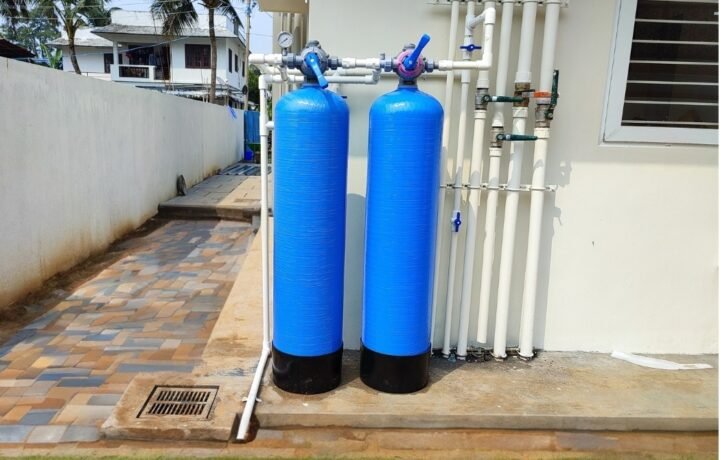
Buying the “best” filter online doesn’t automatically solve a problem if the issue hasn’t been identified correctly. A filter designed for chlorine won’t necessarily help with iron. A softener won’t remove bacteria. Reverse osmosis systems work well for certain concerns but may be excessive for others.
It’s a bit like taking random medicine without knowing the diagnosis.
That’s why testing first usually saves money in the long run. You treat the actual issue instead of chasing symptoms.
Paying Attention to Something So Ordinary
Water sits in a strange category of things we rely on but rarely think deeply about. Maybe because it’s always there. Maybe because most of the time, it works quietly in the background.
But once you start paying attention, you realize how connected it is to everyday comfort.
The way tea tastes. The lifespan of appliances. The feel of a shower. Even the tiny confidence of filling a glass straight from the tap without second-guessing it.
None of this is about fear. It’s really about awareness.
And sometimes, the smartest home improvements aren’t flashy renovations or expensive gadgets. Sometimes it’s simply understanding the basics of what flows through your pipes every day.