Clean water is one of those things most people don’t think about until something feels off. Maybe the tap water tastes a little metallic. Maybe the shower leaves your skin dry, or the kettle has that chalky white buildup again. Sometimes it’s even simpler than that — you fill a glass, look at it for a second, and wonder, “Is this really as clean as it should be?”
That question matters more than people realise. Water runs through almost every part of daily life: cooking pasta, making coffee, washing baby bottles, doing laundry, watering plants, taking a quick shower before work. When the quality of that water isn’t right, the effects don’t always show up dramatically. Often, they build slowly in the background.
Small Signs That Your Water May Need Attention
Not every water issue is obvious. Some problems announce themselves with a strong smell, cloudy colour, or unpleasant taste. Others are quieter. Hard water, for example, may show up as spots on dishes, stiff towels, soap that doesn’t lather properly, or appliances that seem to wear out faster than they should.
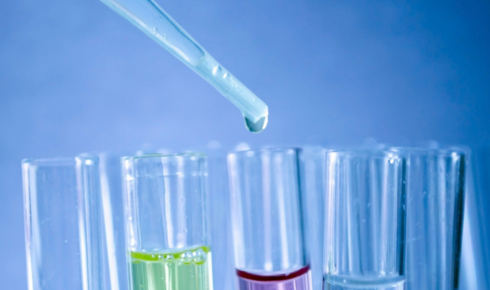
That’s why free water testing can be such a helpful first step. Instead of guessing, homeowners can understand what’s actually in their water and what might be causing those small but annoying problems. It takes the mystery out of the situation and gives you a clear starting point.
Testing is especially useful because two homes in the same area can still have different water concerns. Pipes, plumbing age, source water, and local conditions all play a role. What works for one household may not be the right answer for another.
Why Guesswork Usually Costs More in the Long Run
A lot of people try quick fixes first. They buy a pitcher filter, attach something to the faucet, or keep replacing cleaning products to deal with stains and buildup. Sometimes those things help a little, sure. But if the real issue is deeper — minerals, chlorine, iron, sediment, or other contaminants — a small filter may only cover part of the problem.
Good water care starts with matching the solution to the issue. That sounds basic, but it’s where many homeowners go wrong. They treat taste when the problem is hardness. Or they treat hardness when the issue is sediment. In some cases, they spend money on equipment that isn’t really designed for their home’s water profile.
Professional water treatment solutions are meant to solve specific problems instead of covering them up. Whether the concern is better drinking water, protecting plumbing, reducing scale, or improving the feel of water throughout the house, the right system should be selected with real information behind it.
How Better Water Improves Everyday Life
Clean, balanced water doesn’t just sound nice on paper. You feel it in daily routines.
Coffee tastes smoother. Laundry feels softer. Glassware comes out clearer. Showers feel less harsh. Appliances like dishwashers, washing machines, and water heaters don’t have to fight against mineral buildup all the time. These are small changes, but they add up.
For families, water quality can also bring peace of mind. Parents often become more aware of water when they’re preparing formula, cooking for kids, or trying to reduce exposure to things they can’t see or smell. Even if the water looks fine, knowing it has been tested and properly treated makes a difference.
And then there’s the home itself. Plumbing systems are expensive. Water heaters are expensive. Replacing fixtures because of scale or staining is frustrating. Better water can help protect those investments, which is something many people only appreciate after they’ve dealt with the repair bills.
The Role of Water Softeners in Hard Water Homes
Hard water is one of the most common household water problems. It usually contains high levels of minerals like calcium and magnesium. These minerals aren’t always harmful to drink, but they can be tough on plumbing, fixtures, appliances, and even your skin and hair.
That’s where water softeners often come in. A properly installed softener can reduce mineral buildup, help soap work better, and make household cleaning less of a battle. If you’ve ever scrubbed cloudy shower doors or dealt with crust around faucets, you already know how stubborn hard water can be.
Still, a softener is not a one-size-fits-all answer. Some homes need filtration along with softening. Others may need a drinking water system, sediment control, or a more complete treatment setup. This is why testing first is so important. It helps avoid overbuying, under-treating, or installing the wrong type of system.
Choosing a System That Actually Fits Your Home
The best water system is not always the biggest or most expensive one. It’s the one that fits your water, your plumbing, your household size, and your goals.
A single person in a small home may need something very different from a family of five with high daily water use. A home on city water may have different concerns than a home using well water. Some people care most about drinking water taste, while others want whole-home protection.
Before choosing equipment, it helps to ask a few practical questions. What does the water test show? Are there visible stains? Does the water smell? Are appliances showing scale? Is the goal better drinking water, softer showers, cleaner laundry, or all of the above?
A good provider should explain these things clearly, not pressure you into a system you don’t understand. Water treatment should feel practical and transparent, not confusing.
A Simple Step Toward Healthier, Easier Living
At the end of the day, clean water is not a luxury add-on. It’s part of a comfortable, healthy home. And while water problems can seem complicated at first, the path forward is usually pretty simple: test the water, understand the results, and choose the right solution.
You don’t have to live with strange tastes, hard-water stains, dry skin, or constant appliance buildup. And you definitely don’t have to guess your way through it.
Good water starts with paying attention. Sometimes that means noticing the spots on the glasses. Sometimes it means finally asking why the shower feels harsh. Either way, once you know what’s in your water, making it better becomes a whole lot easier.