A water treatment system is easy to forget about once it has been installed. The water tastes better, mineral stains become less noticeable, and daily chores seem a little easier. For a while, everything works quietly in the background. Then, perhaps months later, the water pressure drops or the familiar taste returns. You might wonder whether something has gone wrong or whether the equipment simply needs attention.
Like most household systems, water treatment equipment performs best when it receives regular care. Filters have a limited service life, softeners need periodic regeneration, and some components require inspection to keep working properly. Understanding these basic responsibilities can help homeowners avoid unnecessary repairs and get more value from their investment.
Start With a Clear Picture of Your Water
Before deciding what maintenance is needed, it helps to understand the original water problem. A system designed to reduce hardness has different requirements from one intended to improve taste or reduce specific contaminants. If you don’t know what your equipment is designed to do, it can be difficult to tell whether it is performing as expected.
This is where water testing becomes useful. A suitable test can help identify characteristics such as hardness, pH, iron, or selected contaminants, depending on the water source and the reason for testing. The results provide a reference point for evaluating whether the existing treatment system is still meeting your needs.
Testing is particularly important when water quality changes unexpectedly. If the water develops a new smell, becomes discoloured, or begins leaving deposits again, don’t automatically assume the filter is exhausted. The cause might be related to plumbing, changes in the incoming supply, or a component that needs servicing.
For concerns involving health-related contaminants, use an appropriate testing method, including a certified laboratory where necessary. A simple in-home demonstration or hardness check cannot establish that water is safe from every possible contaminant.
Why Routine Maintenance Makes a Difference
Filters gradually collect particles or reach the end of their useful life. Carbon media can become less effective at reducing certain tastes and odours, while reverse osmosis membranes may lose performance over time. A softener can also become less effective if it runs out of salt or develops a mechanical problem.
These changes don’t always happen suddenly. Sometimes the signs are subtle: a little more scale on the showerhead, a slower flow from the drinking-water faucet, or water that no longer tastes quite as fresh. Paying attention to these details can help you recognise when the system needs attention.
Follow the manufacturer’s recommended service intervals rather than waiting until a problem becomes obvious. Some cartridges need replacement after a particular volume of water has passed through them, while others have time-based schedules. The correct interval depends on the equipment, water conditions, and household usage.
It is also worth keeping a simple record of filter changes, service appointments, and any water-test results. A note on your phone or a reminder on the calendar can be enough. Small habits like these make it easier to stay organised, especially when a system has several components.
Get the Installation Details Right
Maintenance begins before the first filter is ever replaced. Equipment that is poorly sized or incorrectly connected may struggle from the start, even when the product itself is suitable for the water conditions.
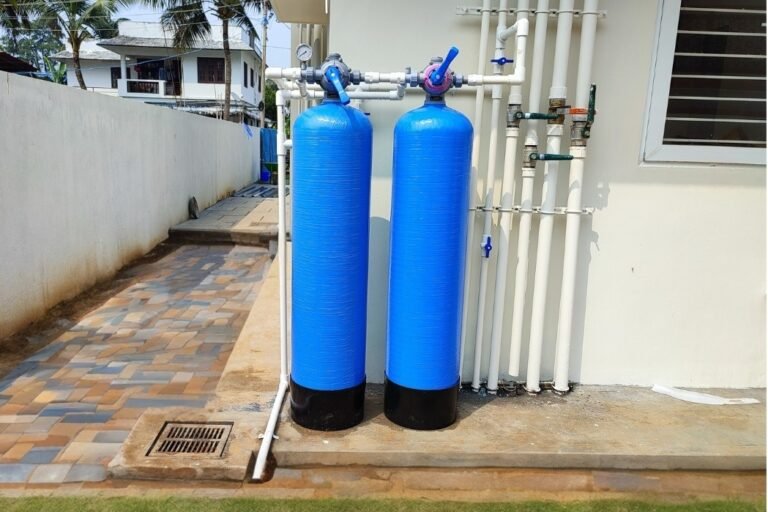
Professional installation can help ensure that a treatment system is positioned correctly, connected according to manufacturer instructions, and sized for the home’s expected water demand. Depending on the equipment, the work may involve additional plumbing, a drain connection, electrical access, or enough clearance to remove filter housings during future servicing.
Flow rate deserves particular attention. A system that works well for one bathroom may not provide enough capacity for a busy household using multiple showers, washing machines, and kitchen fixtures at the same time. Undersized equipment can create frustrating pressure drops, while an unnecessarily large system may add cost without a meaningful benefit.
Before the work begins, ask what the installation includes. Will the contractor check for leaks, explain how the controls operate, and show you where replacement filters go? Will you receive maintenance instructions and details about the warranty? These questions may seem basic, but the answers can make everyday ownership much easier.
After installation, follow any flushing or start-up instructions before using the treated water. If the system requires professional commissioning, make sure that step is completed rather than assuming the equipment is ready as soon as it is connected.
Don’t Overlook Salt and Other Consumables
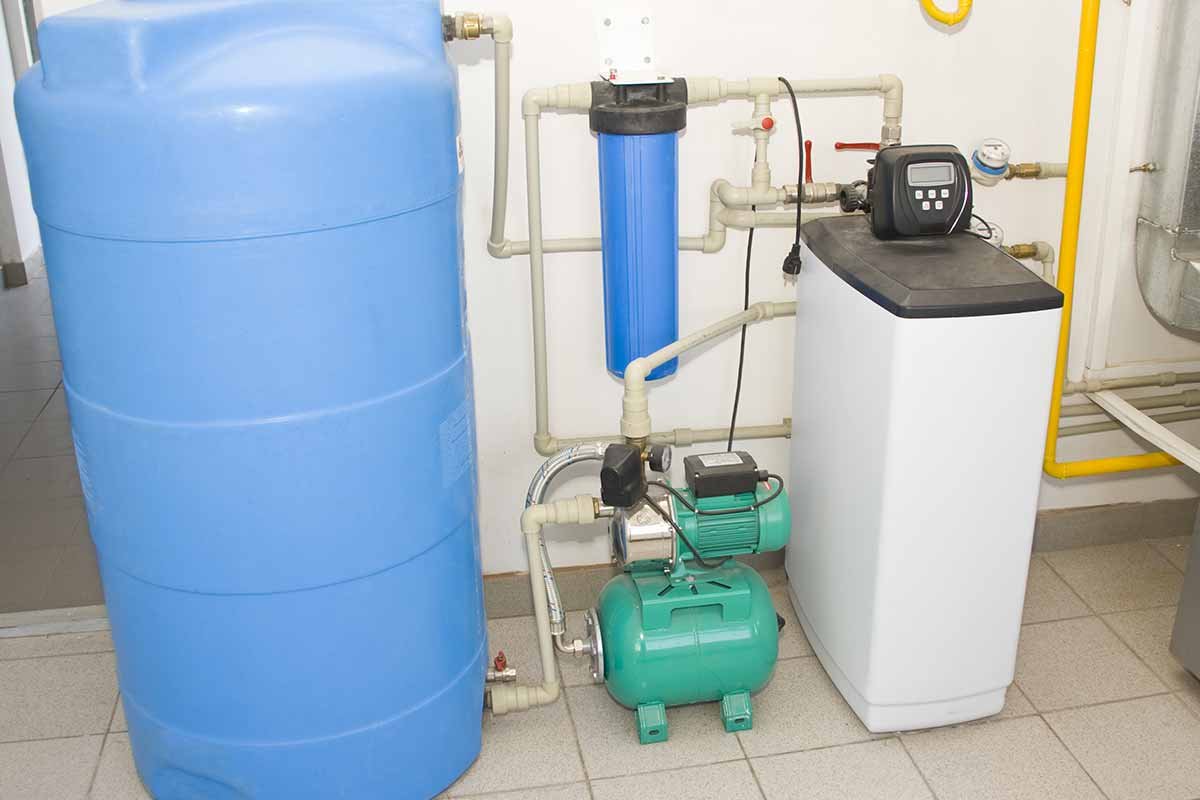
For households using a conventional ion-exchange water softener, salt is an important part of routine operation. The system exchanges hardness minerals, mainly calcium and magnesium, for sodium or potassium ions. During regeneration, the unit restores its capacity so it can continue treating water.
Keeping an eye on the brine tank helps prevent the softener from running short of the material it needs. However, adding more salt isn’t the answer to every performance problem. Salt bridges, clogged components, incorrect settings, or other mechanical issues may require a closer look.
Reliable salt delivery can be convenient for homeowners who use a softener regularly and would rather not carry heavy bags from a store. Before arranging a recurring service, check which salt type the manufacturer recommends, how much your household typically uses, and whether the delivery schedule can be adjusted as needed.
Don’t forget other consumables, either. Carbon cartridges, sediment filters, reverse osmosis membranes, and UV-system components all have their own replacement requirements. Use compatible parts and follow the supplier’s guidance. Substituting an unsuitable component can affect performance or interfere with the system’s intended operation.
Recognise When Professional Service Is Needed
Some routine tasks are straightforward enough for a homeowner to manage, such as checking a salt level or recording a filter replacement. Other problems deserve professional attention.
Persistent leaks, unusual noises, repeated error messages, a sudden loss of pressure, or a noticeable decline in water quality may indicate that something needs inspection. Avoid opening pressurised equipment or attempting electrical repairs unless you have the necessary training. A qualified technician can assess the problem and explain whether a repair, adjustment, or replacement is appropriate.
It is sensible to ask for a clear explanation before approving significant work. A useful service report should identify the issue, describe the proposed repair, and outline the expected costs. If the recommendation seems excessive or unclear, seeking another qualified opinion may help you make a more informed decision.
Build a Maintenance Routine That Fits Your Home
There is no single schedule that works for every water treatment system. A household using large amounts of water may need more frequent filter changes than a smaller household, and water with high sediment or mineral content can place different demands on equipment.
Start with the manufacturer’s instructions and adjust your routine according to actual usage and test results. Keep the area around the equipment accessible, look for visible leaks periodically, and make sure everyone in the household knows whom to contact if a problem develops.
Most importantly, remember that maintenance is about more than preventing breakdowns. It helps you understand how your water system is performing and identify changes before they become bigger concerns.
A dependable water treatment setup doesn’t have to be complicated. With appropriate testing, careful installation, timely replacement of consumables, and occasional professional attention, homeowners can keep their equipment working as intended. A little consistency now can save time, reduce avoidable frustration, and make it easier to enjoy the benefits of treated water day after day.