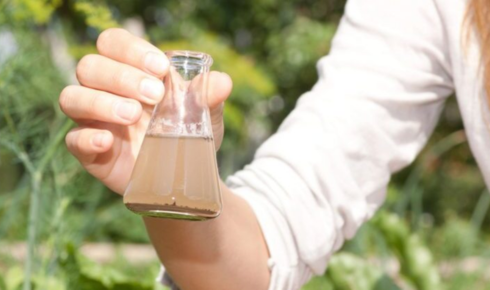
Most of us don’t think much about water until something feels off. A strange smell from the kitchen sink. White spots on glasses. A metallic taste that wasn’t there last month. Maybe the shower leaves your skin feeling dry, or the laundry never seems as fresh as it should. It’s easy to shrug these things off as “normal,” especially when the water still looks clear. But clear water doesn’t always mean clean water, and that’s where a closer look becomes important.
Water is part of nearly every small routine in a home. Morning coffee. Cooking pasta. Bathing the kids. Filling the dog’s bowl. Because it’s so familiar, we sometimes forget that it can change depending on plumbing, local supply conditions, mineral content, nearby construction, or even seasonal shifts. A simple test can reveal things you’d never notice by sight alone.
Why Guessing About Water Problems Rarely Works
A lot of homeowners try to solve water issues based on symptoms. If the water smells like chlorine, they assume a filter will fix it. If there are stains near a drain, they blame old pipes. If soap doesn’t lather well, they think it must be hard water. Sometimes those guesses are right. Often, though, they’re only part of the story.
The trouble is that different water problems can look surprisingly similar. Brownish stains might come from iron, but they can also point to sediment or aging plumbing. A bitter taste could be minerals, treatment chemicals, or something else entirely. Without proper water testing analysis, you’re basically treating the symptom and hoping the cause goes away. And hope, as useful as it is in life, is not much of a plumbing strategy.
Testing gives you a clearer picture. It can show hardness levels, pH balance, chlorine presence, total dissolved solids, iron, sulfur, nitrates, and other common concerns depending on the test being used. More importantly, it helps avoid spending money on the wrong solution.
Small Signs That Deserve Attention
Not every water issue announces itself dramatically. Sometimes it starts with little annoyances. Ice cubes taste odd. Faucets develop crusty buildup. Your hair feels dull after washing. The water heater seems to struggle sooner than expected. These things may not feel urgent, but they can be hints that minerals, sediment, or treatment chemicals are affecting your home.
Hard water, for example, is not usually unsafe to drink, but it can be rough on appliances and fixtures. Minerals build up inside pipes, water heaters, dishwashers, and washing machines. Over time, that buildup may reduce efficiency and shorten equipment life. On the other hand, water that is too acidic can be harsh on metal plumbing and may contribute to corrosion.
This is why testing is less about panic and more about prevention. You don’t need to wait for a major problem before asking what’s in your water.
The Value of a No-Cost First Step
For many families, the easiest place to begin is with a free water analysis offered by a local water treatment professional. It’s usually simple, quick, and helpful for understanding the basics of what’s coming through your taps. While advanced lab testing may be needed for certain health-related concerns, a basic analysis can still provide useful guidance for everyday issues like hardness, taste, odor, staining, and mineral buildup.
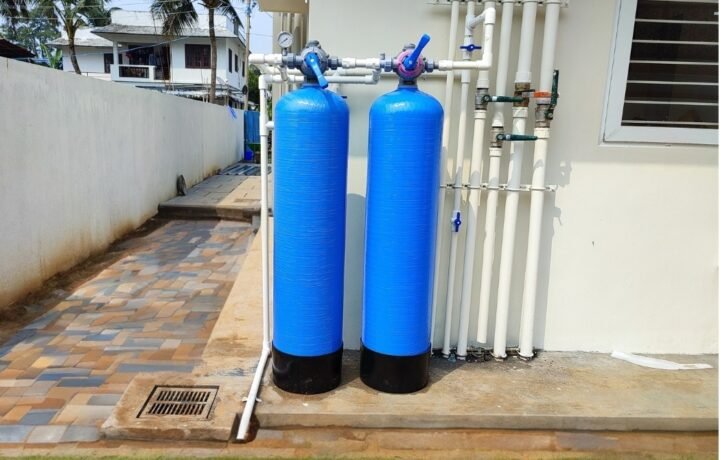
The best part is that it takes the guesswork out of the conversation. Instead of saying, “I think we need a filter,” you can say, “Here’s what the test found.” That makes it much easier to choose the right system, whether that means a water softener, whole-home filtration, reverse osmosis drinking water system, iron filter, or another option.
And honestly, it can also give peace of mind. There’s something reassuring about knowing instead of wondering.
Every Home Has a Different Water Story
Two houses on the same street can have different water conditions. One may have older pipes. Another may use well water. A third might be connected to the same municipal supply but still experience different taste or pressure issues because of internal plumbing. That’s why one-size-fits-all advice doesn’t always help.
Good water quality depends on more than where the water comes from. It also depends on how it travels, what it passes through, and how it is used inside the home. A household with babies, elderly family members, sensitive skin, or expensive appliances may also have different priorities than a household that simply wants better tasting drinking water.
The right solution should match the actual problem. A softener is excellent for hardness, but it won’t remove every taste or odor concern. A carbon filter may improve smell and taste, but it won’t solve high mineral hardness. Reverse osmosis can be great for drinking water, but it is not always meant to treat every tap in the house. Testing helps connect the dots.
Making Better Water Feel Normal Again
When water is properly treated, the improvements often show up in quiet ways. Coffee tastes cleaner. Glassware dries without spots. Soap rinses better. Showers feel nicer. Appliances run with less strain. It may not be dramatic at first, but after a while you notice the difference.
The real goal isn’t to become obsessed with water. It’s the opposite. It’s to make it something you don’t have to worry about every day. Testing is a practical first step because it gives you facts before you invest in equipment or repairs.
So if your tap water has been acting a little strange lately, don’t ignore it and don’t guess. Let the water tell its story. Once you know what’s really in it, choosing the right path becomes much easier — and your home will feel better for it.