
There’s a certain comfort in turning on the tap and trusting what comes out. Most of us don’t think twice about it—until something feels off. Maybe it’s a faint metallic taste, a cloudy appearance, or that subtle dryness your skin gets after a shower. It’s rarely dramatic, but it lingers. And once you notice it, you can’t really un-notice it.
The Quiet Signs You Shouldn’t Ignore
Water issues don’t always show up with flashing warning signs. More often, they creep in slowly. You might see white residue building up on taps or notice your kettle needs cleaning more often than usual. Laundry loses its softness. Even your morning tea starts tasting… different.
These are small clues, easy to dismiss on a busy day. But they often point to underlying imbalances—minerals, sediments, or even unseen contaminants. That’s where water treatment becomes less of a luxury and more of a practical step toward everyday comfort.
It’s not about turning your home into a laboratory. It’s about making sure something as basic as water works the way it should—clean, safe, and predictable.
Why “Good Enough” Water Isn’t Always Good Enough
Municipal systems do a decent job overall. But by the time water travels through pipelines and reaches your home, it can pick up impurities along the way. Aging infrastructure, local geology, and storage conditions all play a role.
In some areas, water contains high levels of calcium and magnesium—commonly known as hard water. It’s not harmful in small amounts, but it can be annoying. Over time, it affects appliances, plumbing, and even your skin.
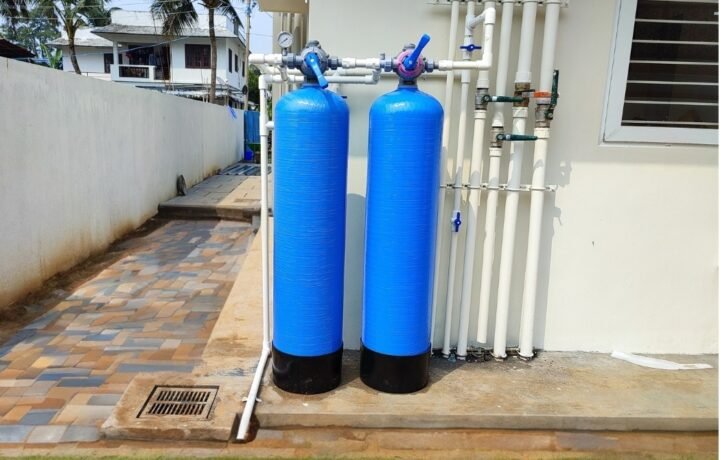
That’s why many homeowners quietly explore options like installing a water softener. Not because they’re chasing perfection, but because they’re tired of dealing with scale buildup, dull hair, or soap that just won’t lather properly. It’s one of those upgrades that doesn’t shout for attention but makes daily life noticeably smoother.
The Human Side of Cleaner Water
There’s something oddly satisfying about water that feels right. It’s hard to explain, but you notice it in small moments—when your hands don’t feel dry after washing, when your coffee tastes just a bit richer, or when your shower actually feels refreshing instead of slightly irritating.
And it’s not just about comfort. Clean, balanced water can extend the life of your appliances, reduce maintenance costs, and even help your clothes last longer. These are practical benefits, the kind that quietly add up over time.
But here’s the thing—guesswork doesn’t really help. You can’t fix what you don’t fully understand.
Start Simple: Know What You’re Dealing With
Before investing in any system or solution, it makes sense to get clarity. What exactly is in your water? Is it hardness, iron, chlorine, or something else entirely?
That’s why many people begin with a free water test. It’s a straightforward way to get answers without committing to anything upfront. Think of it as a diagnostic step—it helps you move from assumptions to informed decisions.
Once you have that information, everything else becomes easier. You’re not just buying a product; you’re solving a specific problem.
Finding the Right Balance
There’s no one-size-fits-all solution when it comes to water. What works perfectly in one home might not be necessary in another. And honestly, that’s where a lot of people get stuck—they assume they need the most advanced system available.
In reality, the best approach is often the simplest one that actually addresses your needs. Maybe it’s a filtration unit. Maybe it’s softening. Or maybe it’s just a minor adjustment you hadn’t considered before.
The goal isn’t perfection. It’s balance.
A Small Change That Feels Bigger Over Time
Improving your water quality isn’t the kind of upgrade that impresses guests or shows up in photos. But it’s one you experience every single day. And over time, those small improvements start to matter more than you’d expect.
Better water doesn’t just sit in pipes—it touches almost everything you do at home. Cooking, cleaning, bathing, even something as simple as filling a glass late at night. It’s woven into your routine in ways you don’t usually think about.
So when it improves, life feels just a bit easier. A bit more comfortable. Less… irritating.
And maybe that’s the real point. Not chasing perfect water, but making everyday moments feel a little more right.